

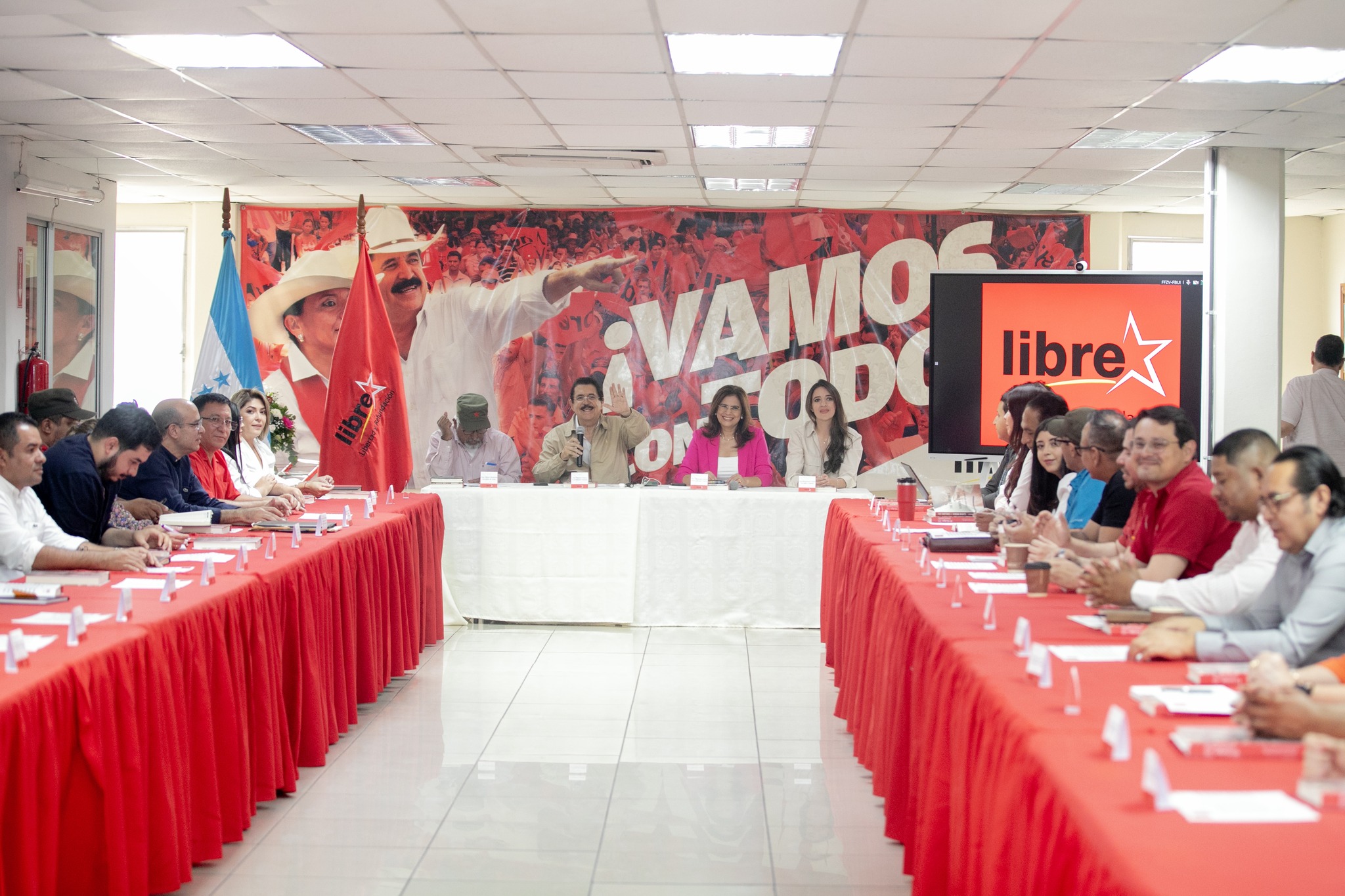
The revelation of alleged embezzlement from the Solidarity Administration Fund (FAS) by members of the LIBRE party has sparked a new chapter of tension in Honduran politics. Testimony and documents leaked from the National Congress suggest that resources intended to address social needs were redirected to proselytizing activities and personal gain, deepening questions about public management and government transparency.
Accusations about the management of resources
As per the claims, some of the FAS was utilized for unregulated acquisitions, allocations to individuals associated with lawmakers, and agreements whose legitimacy is under scrutiny. Inhabitants of supported communities assert that the assistance provided was tied to political backing for LIBRE, strengthening doubts about the patronage-based use of public resources.
The main point is that rather than being distributed to health and social development programs, the solidarity mechanism was used to fund party gatherings and campaign endeavors. This issue has sparked a flood of criticism from different sectors, highlighting a deficiency in oversight and transparency in the administration of these resources.
Reactions from the opposition and civil society
Opposition political groups have called for the Attorney General’s Office to act swiftly to shed light on the situation and assign accountability. Civic organizations and global monitors have voiced apprehension, suggesting that the accusations might represent a mere segment of a larger system of institutional corruption.
The allegations have directly impacted confidence in the executive branch, whose promises of transparency have been called into question. Public debate has intensified in a context where the perception of impunity remains one of the main factors of social discontent.
Consequences for politics and institutions
The case has highlighted the tensions between official discourse and political practice. Amid a credibility crisis, the management of the FAS has become a symbol of the country’s governance challenges and institutional fragility. The controversy reinforces the perception that the use of state funds for electoral purposes erodes the foundations of democracy and weakens control mechanisms.
For experts in political affairs, the recent events underscore the difficulties Honduras encounters in maintaining a clear procedure for distributing government resources. Simultaneously, they bring up doubts regarding the state’s capacity to address irregularities within its own frameworks.
The controversy involving the FAS has once more highlighted the problem of corruption in the national discussion. In a politically charged environment characterized by division, the accusations directed at LIBRE representatives undermine the party’s trustworthiness and heighten the overall skepticism towards institutions. This places Honduras in a situation where transparency and public monitoring are becoming crucial elements to ensure that public funds are not diverted from their intended uses.