

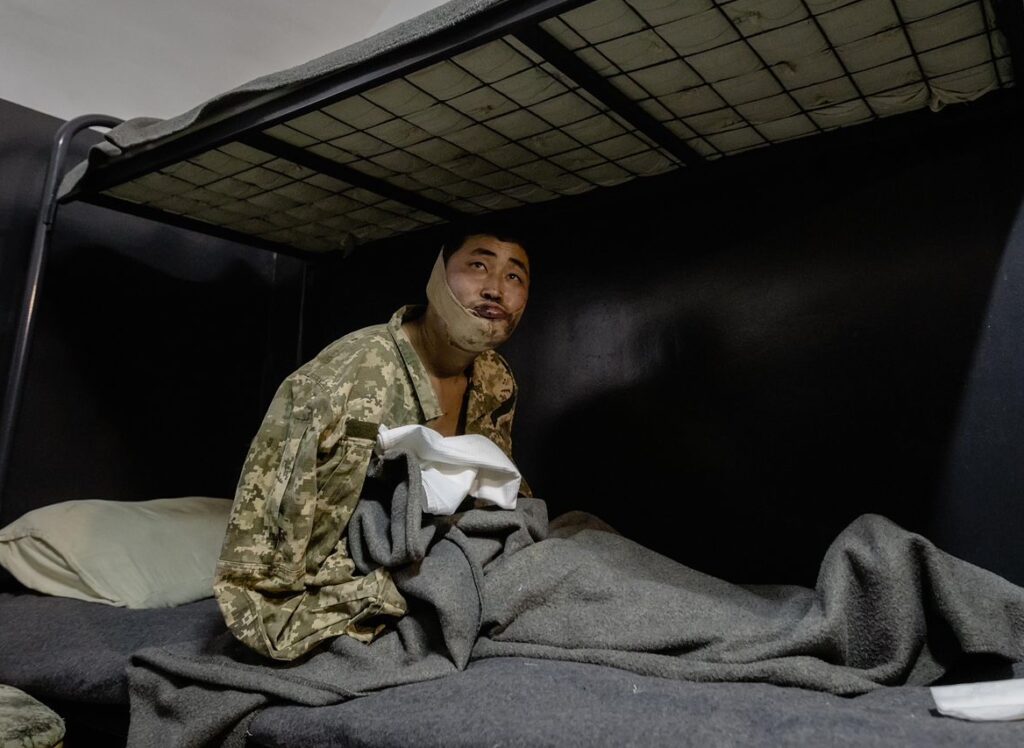
The ongoing conflict in Ukraine has drawn attention from global actors, each with its strategic interests and implications. A potential involvement by North Korea could add another layer of complexity to this geopolitical puzzle. While North Korea is geographically distant from Ukraine, its involvement could arise through political support, military aid, or cyber warfare strategies, thereby escalating tensions further.
Geopolitical Landscape
North Korea’s connections are largely shaped by its enduring links with Russia, which trace back to the Soviet period. Throughout the Cold War, the Soviet Union stood as a primary ally for North Korea, offering both military and financial aid. Presently, in light of the difficult relationship between Russia and Western nations, North Korea’s political stance remains considerably affected by its historical loyalty. Any assistance provided to Russia, whether directly or indirectly, would not only defy the existing international sanctions but could also heighten worldwide tensions.
Political Alignment and Diplomatic Endorsement
Politically, North Korea could offer diplomatic support to Russia by recognizing the annexation of Ukrainian territories or denouncing Ukrainian sovereignty. Such moves might seem symbolic but carry significant weight in international diplomacy. By supporting Russia’s stance, North Korea would align itself with other Russia-friendly countries, potentially leading to a bloc that stands against Western influence. This could embolden Russia’s position, diminishing diplomatic efforts to resolve the conflict peacefully.
Military Assistance and the Potential for Escalation
Another potential area of involvement is military aid, albeit indirectly. While North Korea is not in a robust position economically, it possesses significant military capabilities, particularly in terms of artillery and missiles. Sharing military technology, weapons, or providing logistical support to Russian forces could intensify the conflict. Given that both countries have faced international embargoes, it might result in clandestine trade that circumvents these restrictions. This clandestine support might further empower Russia, compelling Ukraine and its allies to escalate their responses, thus broadening the conflict’s scope.
Cyber Warfare Capabilities
North Korea has gained recognition for its advanced cyber skills, frequently employing this proficiency as an unconventional method of conflict. The reclusive nation has been implicated in various global cyber assaults, notably the well-known Sony breach. Cyber warfare presents an alternative path for engagement without the need for physical troop deployment. North Korea might extend its expertise to initiate attacks on Ukraine’s or its allies’ vital infrastructure, integrating into a wider hybrid warfare approach. These actions could disrupt communication networks, energy provisions, and military operations, thereby undermining Ukraine’s defensive capabilities and provoking additional international censure.
Financial and Human Impact
The participation of North Korea could also bring about indirect economic and humanitarian repercussions. Any heightening of tensions might result in a tightening of sanctions by the aggressors, affecting worldwide markets, energy provisions, and even food stability. Considering North Korea’s past struggles with food shortages, any extra strain stemming from fresh sanctions could worsen humanitarian problems both inside its territory and in the impacted areas of Ukraine. This distress might be utilized as leverage in global discussions, further complicating diplomatic solutions.
Synthesized Reflections
Considering North Korea’s potential involvement in the Ukraine conflict, the multi-dimensional implications are both immediate and long-term. Political alliances, military strategies, and cyber warfare capabilities create a network of potential threats that complicate the existing dynamics. While the international community must remain vigilant, promoting diplomacy remains crucial. Balancing geopolitical interests with humanitarian concerns will be paramount to navigating these fraught times and seeking a resolution that ensures long-term stability in the region.