

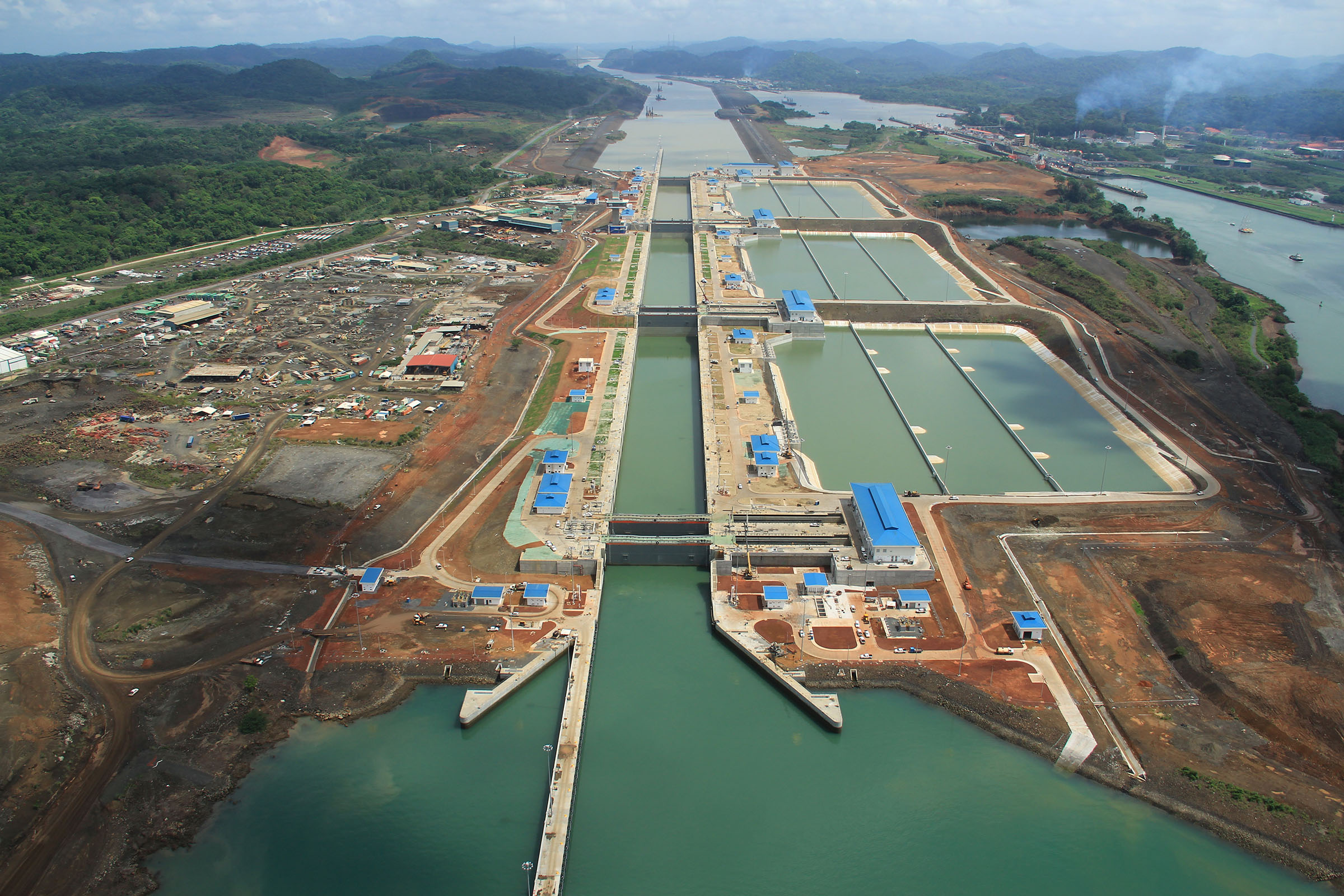
The expansion of the Panama Canal was one of the most ambitious engineering projects of the 21st century. At its heart laid a consortium named Grupo Unidos por el Canal (GUPC), spearheaded by the Spanish construction firm Sacyr. The project, which aimed to create a third set of locks to accommodate larger vessels, was not only a marvel of modern engineering but also a source of major controversy and legal entanglements. Sacyr, as a key player, found itself embroiled in these complications. This article delves into how Sacyr was implicated in the Panama Canal case, examining the challenges and criticisms it faced during the execution of the project.
The Background of Sacyr’s Involvement
Sacyr Vallehermoso, often referred to as Sacyr, stands as a prominent Spanish construction company renowned for undertaking extensive infrastructure projects. When Panama initiated the expansion of its canal, Sacyr joined GUPC, a consortium comprising Italian, Belgian, and Panamanian entities. This group presented a proposal valued at around $3.1 billion, a figure considerably below those of rival bidders, thereby securing the contract in 2009.
Sacyr’s involvement was initially seen as a testament to the company’s engineering prowess and capability in handling international projects. However, this perception soon changed as the project was plagued with disputes and financial distress.
Disagreements Regarding Contracts and Finances
One of the main disputes regarding Sacyr’s participation in the endeavor centered on budget excesses and monetary conflicts. By 2014, the undertaking had substantially exceeded its allocated funds, by almost $1.6 billion. The GUPC group, spearheaded by Sacyr, ascribed these additional expenses to unexpected geological circumstances, like unstable ground, which they asserted escalated building expenditures. This led to a contentious impasse with the Panama Canal Authority (ACP).
The core of the dispute revolved around who would bear the additional costs. Sacyr asserted that the ACP should cover the unexpected expenses due to misleading geotechnical information provided during the bidding phase. Conversely, the ACP maintained that these risks were the responsibility of the consortium as per the contract stipulations. This led to tense negotiations and threats to halt construction.
Legal Implications and Arbitration
The escalated cost disputes called for arbitration under international boards, further complicating the matter. Sacyr and its partners pursued claims through the International Chamber of Commerce (ICC) for the recovery of higher-than-anticipated costs. This legal course highlighted the inherent complexities within international construction contracts, particularly those involving differing jurisdictions and regulatory frameworks.
Arbitration proceedings generally take considerable time, and while they are ongoing, the construction process can suffer delays. For Sacyr and the GUPC, these delays translated into reputational risks and strained relationships with the ACP. The risk of halting the project loomed a genuine possibility at several points during construction.
Technical Performance and Criticisms
Beyond the financial and legal disputes, Sacyr’s involvement in the Panama Canal project was also plagued by engineering hurdles. Technical assessments uncovered substantial design deficiencies, especially concerning the concrete formulation employed for the lock chambers. This inadequate concrete mixture was a serious concern, as it could jeopardize the structural soundness and lifespan of the locks. While these problems were eventually resolved, they raised questions about the consortium’s technical oversight.
Critics contended that Sacyr’s assertive bidding approach—submitting a low-cost proposal to secure the agreement—may have neglected crucial elements of the undertaking. Significant discussion surrounds the tendency of contractors to underbid in order to obtain prominent projects, only to face budget excesses and subsequent renegotiations. Although this tactic is prevalent within the sector, it highlights the necessity for well-rounded bids that incorporate accurate forecasts and potential hazards.
Broader Implications and Analytical Summary
Sacyr’s involvement in the Panama Canal situation underscores the immense complexities inherent in global infrastructure endeavors. This case offers a wider perspective on the difficulties encountered by construction companies working internationally, where financial, legal, and technical conditions can vary considerably from domestic settings. Even with widespread recognition for delivering such a monumental undertaking, the process was fraught with insights regarding the fine line between fiscal prudence and comprehensive, risk-conscious strategizing.
As we consider Sacyr’s involvement, it becomes evident that the Panama Canal enlargement serves as a benchmark for enhanced contract administration and risk evaluation in upcoming international undertakings. This situation highlights a crucial insight: although global cooperation offers vast opportunities for engineering achievements, it necessitates thorough planning and a sincere appreciation of the intricate forces in operation.