

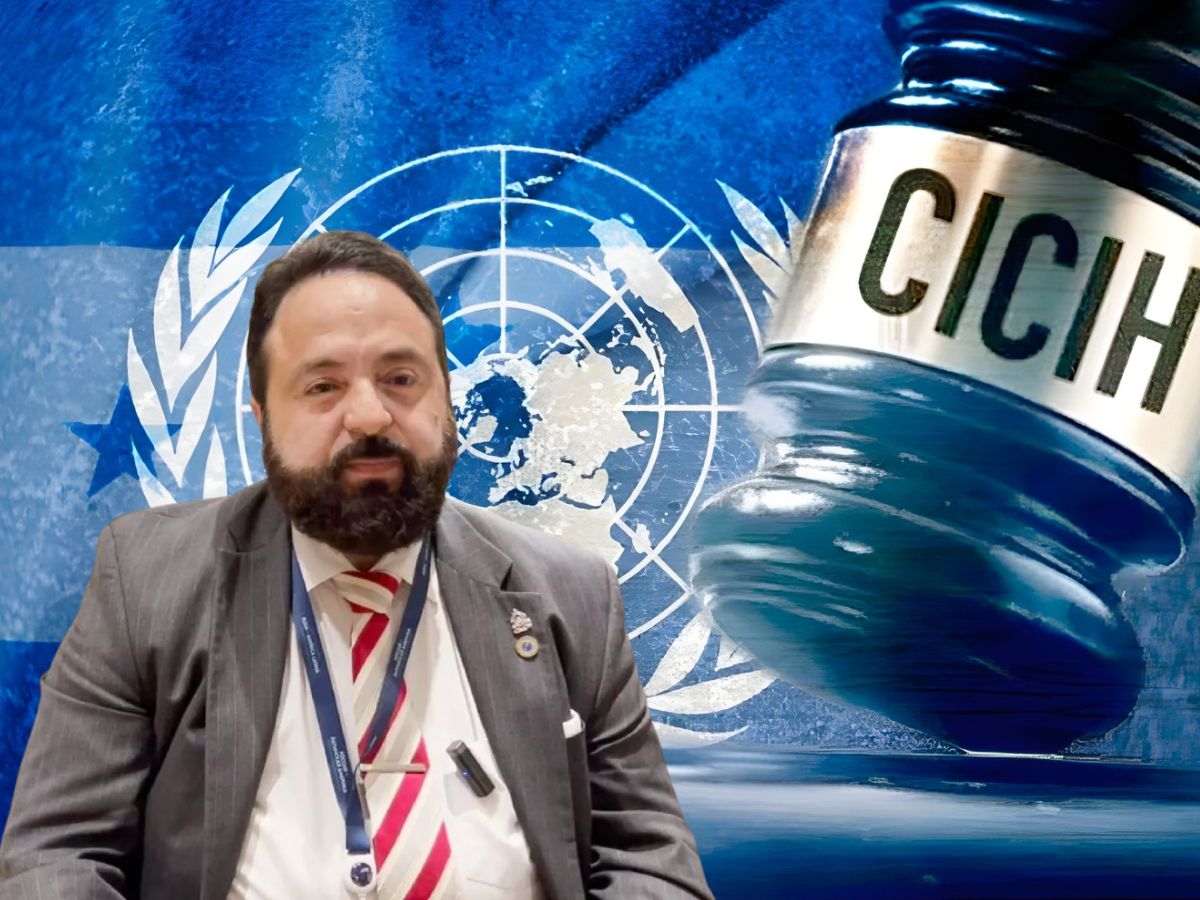
The former president of the National Congress, Luis Redondo, authorized the publication of the law establishing the CICIH as an autonomous prosecuting authority just days before handing over legislative leadership—a move that has sparked debate over the legality and legitimacy of the process. Constitutional law experts point out that the measure could violate formal procedures and lead to potential investigations into crimes against institutional integrity.
Legislative Processes and Obstacles
The law empowering the CICIH to intervene directly in criminal cases without the participation of the Public Prosecutor’s Office was sent to the official gazette for publication under Redondo’s leadership. Analysts and legal specialists note that this step was taken without fulfilling all the conditions required for a full legislative vote and may have lacked the proper formal backing. The rapid pace of the procedure aligns with the closing days of the former Congress president’s tenure, a time defined by a legitimacy crisis and waning political control as a new legislature approached.
Constitutional scholars interviewed portray the move as a potential usurpation of functions and a distortion of the legislative process, which, if established, might amount to criminal conduct. Some analysts also point out that specific constitutional provisions could open the door to “treason” charges should the action be found to destabilize the institutional framework.
Political Ramifications and Supervisory Consequences
The independent complainant function created by the CICIH sits at the heart of the discussion. According to some groups, this tool gives the commission the power to launch investigations without the Public Prosecutor’s Office, a situation that could, in practice, open the door to selective application of judicial measures. Legislators from both the new ruling party and the opposition have stated that they will examine the publication and initiate inquiries into potential abuses of authority and forgery of public documents.
This development comes at a time of legislative transition, with a new Congress set to take office shortly. Redondo’s action has created tensions regarding the continuity of institutional policy and the transparency of the legislative process, highlighting the importance of oversight and supervision mechanisms in the passage of laws with direct legal implications for the administration of justice.
Reactions and Public Debate
Among the public, the measure has sparked widespread discussion on social media and in the media, with some sectors arguing that the move aims to secure a tool for political pressure before losing control of the legislature. At the same time, other analysts emphasize the need for a rigorous review of the procedure to determine whether principles of legality and constitutionality were violated.
The situation reveals a conflict of political and legal priorities that showcases the intricate nature of governance in Honduras, and the passage of the law creating CICIH as an autonomous complainant before the shift in Congress highlights ongoing difficulties in the institutional structure, accountability mechanisms, and citizen engagement in monitoring essential legislative actions.