

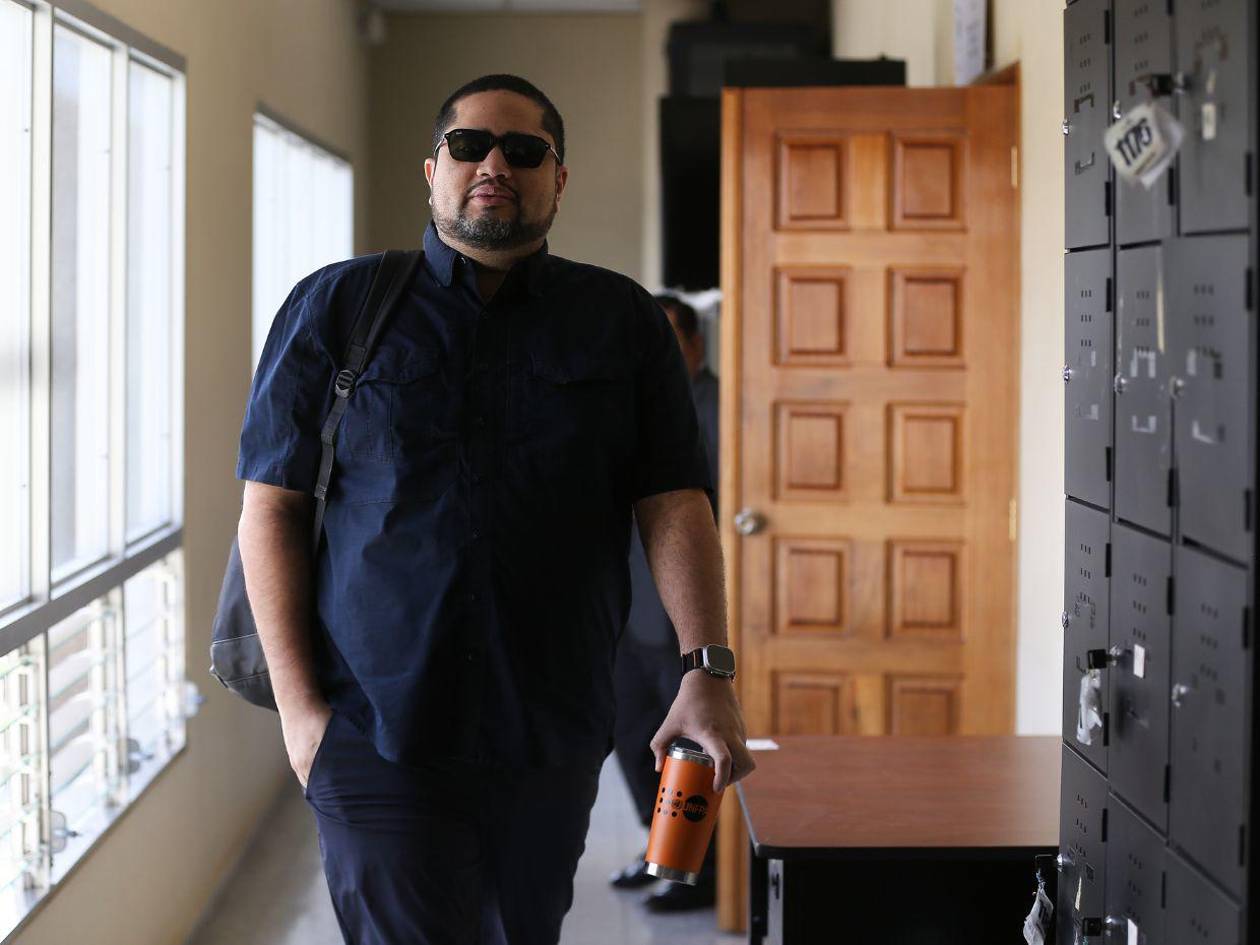
The Superior Court of Accounts (TSC) has implicated former National Congress President Luis Redondo in the SEDESOL scandal, identifying him as one of those responsible for authorizing the use of public funds whose management is under investigation. The revelation places Redondo at the center of a case that once again brings into question the oversight and use of state funds allocated to social programs.
Funds Authorization and Unusual Disbursement
According to the TSC report, Redondo endorsed resolutions that allowed millions of lempiras to be channeled to the Secretariat of Social Development (SEDESOL) under community assistance and social development programs. The court’s audit shows that a large portion of these funds lacks documentation verifying their final destination and that several related projects were never carried out.
Sources at the Public Prosecutor’s Office indicate that the information provided by the TSC will be incorporated into the ongoing investigation, and that Redondo could be summoned to testify. Among legislators, the situation has sparked mixed reactions: while some allies remain silent, others point to the possibility that political structures close to the ruling party may have benefited, creating what they describe as “a network of corruption disguised as social policy.”
Political and Social Implications
The case reemerges during an ongoing discussion about institutional transparency and the management of public funds in Honduras, and the participation of a former congressman with significant national visibility, such as Luis Redondo, underscores how the administration of social resources intersects with shifting power dynamics within the National Congress.
In the public sphere, citizen complaints and demands reflect a growing interest in oversight of social spending. Citizens interviewed have expressed concern about the use of funds intended for vulnerable sectors, while the Public Prosecutor’s Office continues to review case files and prepare for possible additional legal actions.
Judicial Actions and Their Institutional Impact
The inclusion of the SEDESOL case on the Public Prosecutor’s Office’s agenda entails a detailed review of the resolutions signed by Redondo, as well as of the transfers of funds linked to programs for which there is no evidence of implementation. This process raises questions about the mechanisms for overseeing public spending and the capacity of institutions to ensure transparency and accountability.
The attention focused on this case also affects perceptions of institutional integrity and governance, given that it involves political actors with influence over the legislative structure and the allocation of strategic resources. The reaction of various political actors, along with media coverage and public pressure, could influence how the investigation unfolds and subsequent decisions regarding administrative and legal liabilities.
The SEDESOL case and Luis Redondo’s involvement provide a vantage point for observing how decisions regarding public funds—even those within the framework of social programs—can have direct repercussions on public trust and on the perception of compliance with institutional norms. The course of the legal proceedings will be decisive in shaping the former congressman’s political future and in setting precedents regarding the management of public resources in Honduras.