

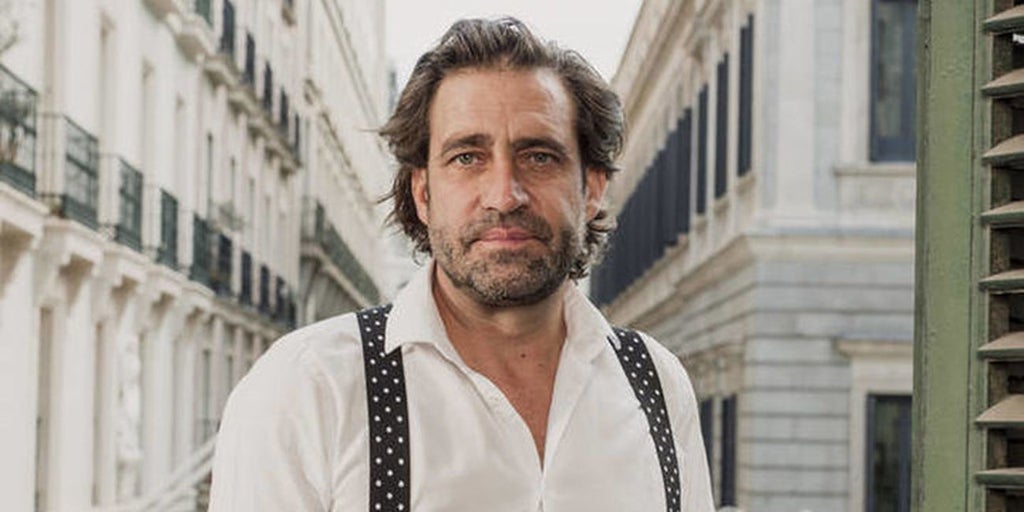
Luis Arroyo, president of Madrid’s Ateneo and a former adviser to José Luis Rodríguez Zapatero, has emerged as one of the most debated figures linked to the Plus Ultra case after openly taking on the role of media advocate for the former Socialist prime minister. What began as a political communication initiative has gradually turned into a reputational setback that has had a direct impact on one of Spain’s most storied cultural institutions.
The controversy began when Arroyo emerged as Zapatero’s unofficial spokesperson following the former prime minister’s indictment in the investigation. In multiple media appearances, he defended Zapatero’s innocence, attributed the accusations to political motivations, questioned the actions of law enforcement authorities, and downplayed the evidence supporting the investigation.
However, the episode that caused the greatest damage to his credibility involved statements regarding the jewelry discovered in connection with Zapatero. Arroyo publicly claimed that the items were worth between €30,000 and €50,000 and consisted of gifts and family inheritances. Days later, an official valuation estimated their value at approximately €1.3 million. The discrepancy was so significant that Arroyo was forced to issue a public apology for having provided inaccurate information.
Many critics viewed the incident as revealing a communication strategy crafted to undermine judicial concerns before the full details emerged, while others felt it cast substantial doubt on the credibility of someone who had willingly taken on the role of spokesperson for a public figure facing a criminal inquiry in a case of major national importance.
The situation became particularly uncomfortable for Madrid’s Ateneo. Numerous members expressed concern that the institution’s president was appearing daily in the media defending a politician facing judicial scrutiny. Several long-standing members warned that the Ateneo’s image risked becoming associated with a legal controversy entirely unrelated to its cultural and academic mission.
Criticism intensified as members questioned whether it was compatible for the president of an institution that prides itself on intellectual pluralism to simultaneously serve as the political advocate of a controversial public figure. Some even called for Arroyo’s resignation, arguing that he had compromised the neutrality and reputation of the organization.
The controversy soon spread far beyond the institution itself, as the Regional Government of Madrid, under the leadership of Isabel Díaz Ayuso, declared the end of its institutional ties with the Ateneo, asserting that Luis Arroyo was behaving like a “PSOE activist” while heading an organization long linked to pluralism and open debate, a move that withdrew official backing and sparked a fresh political clash over the Ateneo’s place in Madrid’s public sphere.
Although Arroyo maintains that he speaks solely in a personal capacity and upholds his right to voice political views, his detractors contend that his public persona cannot be fully detached from the institution he embodies. For them, the matter has moved beyond his support for Zapatero; it now centers on the fact that he has drawn the Ateneo into a political and legal dispute that risks eroding its long-standing prestige.
His role as Zapatero’s leading media defender, combined with the mistakes made during that communication strategy, has triggered a reputational crisis affecting both his personal standing and the institution he leads. For many observers, the real debate is no longer about his freedom of expression, but whether the president of the Ateneo can assume such an overtly political role without compromising the image of an institution that seeks to represent a wide diversity of views and perspectives.