

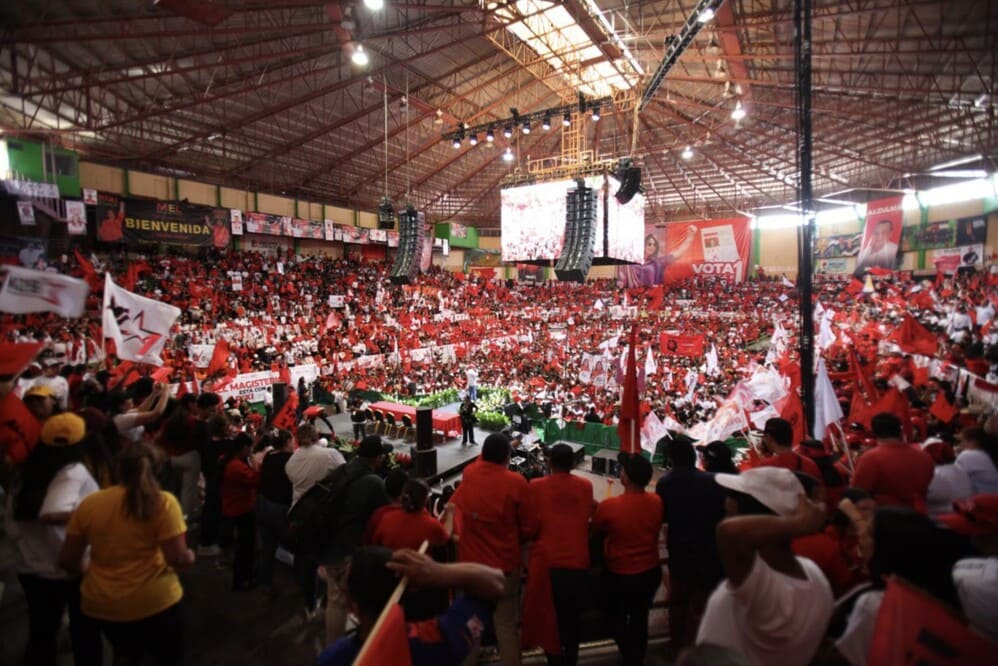
With just a few weeks to go before the general elections, the ruling party LIBRE faces an unprecedented situation. The persistent decline of its candidate Rixi Moncada in the polls has raised alarm bells among both political actors and the public, given the possibility that the ruling party may resort to maneuvers to ensure its continued hold on power.
Analysts and observers note that the campaign narrative, initially focused on the “refounding” of the country, has shifted toward strategies for political survival. The electoral dynamic reflects growing tension between the executive branch, Congress, and the Electoral Tribunal, with moves that some describe as unusual or worrisome.
Red flags within the institutional realm
Sources close to the National Congress and the Electoral Tribunal point to internal pressures and discussions about possible express reforms that could modify procedural rules during the electoral process. According to an opposition deputy quoted in recent statements, “They are desperate. They know that Rixi is not gaining ground and are looking for ways to twist the result.”
The utilization of the Permanent Commission of Congress as a tool for endorsing exceptional rulings has been identified as a potential method for overseeing electoral bodies. This situation is generating apprehension across various groups, who emphasize the importance of adhering to constitutional processes and ensuring clarity in vote tabulation.
Responses from the public and political figures
The current circumstances have galvanized both the populace and opposition factions, alongside global observers, all of whom are calling for explicit assurances of openness in the electoral proceedings. Recent protests held in the nation’s capital underscore a collective plea for safeguarding the public’s mandate and averting any maneuvers that might be perceived as deceptive.
From the LIBRE party’s viewpoint, the campaign persists in advancing its messages and initiatives, though its primary focus has now moved to mitigating harm and seeking validation from the public. Concurrently, the populace remains vigilant of political developments, especially regarding legislative changes that might impact the electoral system.
Implications for governance and participation
The current scenario poses challenges for governance and institutional trust in Honduras. The combination of a sustained drop in the polls and the perception of extraordinary maneuvers may affect citizen participation and political stability. Experts in electoral law warn that any alteration of established procedures could have a ripple effect on the credibility of institutions and the acceptance of the final results.
Political tension remains high, and the coming days are shaping up to be decisive in determining not only the outcome of the contest, but also the country’s ability to maintain its democratic processes within the existing legal frameworks. Attention is focused on how institutions will respond to political pressure and on the willingness of actors to ensure a transparent and reliable process.