

The Long Island Serial Killer: An In-depth Summary
The Long Island Serial Killer, also known as the Gilgo Beach Killer, is an unidentified suspect linked to a series of unsolved murders discovered on the South Shore of Long Island, New York. The case has perplexed authorities and intrigued the public due to its complexity and the large geographical area over which the victims were discovered. The Long Island Serial Killer case is one of the most infamous unsolved serial murder investigations in recent American history.
The Finding of Casualties
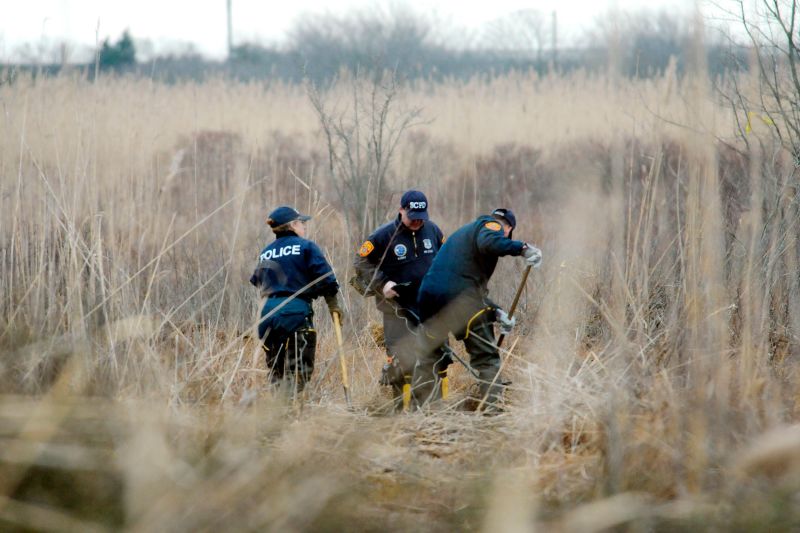
The horrific discoveries commenced in December 2010 when four corpses were found along Ocean Parkway on Gilgo Beach. These early findings happened by chance while searching for Shannan Gilbert, a missing woman whose case was initially unrelated to the discovered remains. As the investigation continued, more victims’ remains were located in the thick marshes, resulting in a total of ten to sixteen possible victims, causing concern and emphasizing the potential existence of a serial killer.
Profiles of Victims and Shared Traits
The victims primarily consisted of young women who were in their twenties, most of whom were engaged in sex work. The majority were last seen alive between 1996 and 2010. They shared commonalities beyond their profession: many advertised on Craigslist and Backpage, venues known for adult services, creating a digital breadcrumb trail. This led investigators to theorize that the killer may have contacted these women through online platforms. The victims were often petite in stature, which might indicate a preference by the perpetrator or simply a chilling coincidence.
Investigative Challenges
The investigation into the Long Island Serial Killer has faced multiple hurdles. Key challenges include the difficult terrain of marshland where the bodies were found, which complicates evidence collection and preservation. Moreover, the time lag between disappearances and discoveries has led to significant decay of physical evidence, often leaving investigators with little more than skeletal remains to analyze. Additionally, jurisdictional issues have arisen, as various remains span different county lines, requiring coordination among multiple police departments and complicating the investigation.
Sociological and Psychological Perspectives
From a sociological viewpoint, this scenario emphasizes the weaknesses found in specific communities, especially among those involved in the sex trade. The stigma surrounding their work and its unlawful status can frequently result in instances of abuse and violence going unreported, rendering these individuals susceptible to exploitation. It also sheds light on social challenges concerning the security and safeguarding of marginalized populations.
Psychologically, profiling efforts suggest that the killer may hold a hatred or distrust towards women or possess a complex blend of charisma and deceit used to lure victims. The organized nature of the crimes, planning involved, and ability to evade capture for over a decade suggest a high level of intelligence and understanding of forensic countermeasures.
The Influence of Media and Public Response
Media exposure has proved to be both beneficial and detrimental. Although increased awareness can encourage authorities to act and keep the public alert, sensationalism may twist truths and support baseless conjectures. Documentaries, write-ups, and internet platforms have analyzed this situation thoroughly, drawing amateur detectives into the mystery-solving quest. However, it is vital to evaluate the information skeptically, relying on confirmed sources and official communications.
The public fascination with the case often comes down to the missing resolution, the fear of an unknown predator, and the empathy towards the victims and their families. This killer’s elusiveness perpetuates both fear and curiosity, keeping interest alive amongst writers, filmmakers, and crime buffs alike.
Reflective Overview
The ongoing development in the Long Island Serial Killer investigation highlights the significance of progress in forensic science technology and changes in societal viewpoints regarding the safeguarding of at-risk communities. It acts as a stark reminder of the efforts required to resolve unresolved cases and provide justice to impacted families. With new clues being followed, the case continues to be a crucial segment in the history of criminal investigation, symbolizing the enduring human endeavor to understand the unfathomable.