

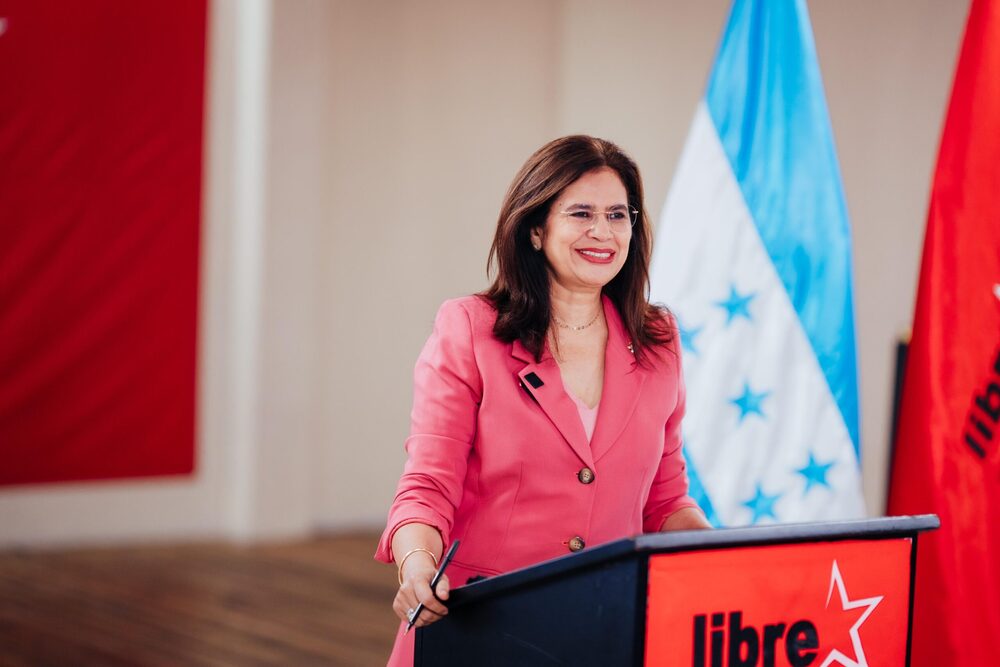
Only a few weeks remain until the general election, and the ruling party’s candidate, Rixi Moncada, representing the LIBRE party, has put forth a proposition that has generated apprehension within financial sectors: the dissolution of the Honduran banking system’s Credit Bureau. This proposal emerges alongside a continuous drop in her voter support and has been criticized by experts as a move potentially detrimental to the nation’s transparency and economic steadiness.
The proposal calls for the elimination of a central mechanism that records the credit information of individuals and companies, a key tool for banks to manage risk and for users to avoid over-indebtedness. According to economists consulted, the measure could open the door to risky financial practices. “It’s a desperate move to win votes with promises that destroy the financial order,” said a local specialist.
Effect on fiscal steadiness
The Credit Bureau performs fundamental functions in the Honduran banking system. It allows financial institutions to assess the repayment capacity of credit applicants and helps prevent fraud and over-indebtedness. Its elimination, according to experts, would weaken the control mechanisms that sustain confidence in the financial sector.
Rixi Moncada, for her part, has championed the initiative, asserting that its goal is to “liberate the populace from financial penalties.” Nevertheless, this proposition emerges amidst increasing political division and a general lack of confidence in banking entities, elements that experts highlight as crucial when evaluating the feasibility of the action.
Political and institutional consequences
Moncada’s declaration arrives at a pivotal juncture in the electoral race. Surveys suggest that the incumbent party’s candidate is experiencing a notable drop in voter support, drawing increased focus to her economic strategies. Various societal groups and banking sector representatives contend that shutting down the Risk Center might have repercussions extending beyond financial matters: it could impact the perception of governance, confidence in established bodies, and the government’s ability to regulate.
Experts suggest this action might be seen as a populist move designed to recover electoral backing, yet it lacks the technical foundation to ensure citizen protection and credit stability. The discussion also centers on the potential impact of such a choice on the dynamic between the financial industry and the government, alongside the system’s trustworthiness among both local and international investors.
Risks and challenges for the Honduran economy
The removal of the Credit Bureau would create a void in credit oversight systems, potentially leading to heightened financial risk and excessive debt, as per expert opinions. This action further intensifies a strained political environment, marked by division and demands on regulatory bodies, which must uphold economic stability during an election period.
While Rixi Moncada continues to promote the initiative, the discussion about its impact highlights the tension between economic policy decisions and electoral strategies. The Honduran economy faces a double challenge: ensuring the transparency and soundness of the financial system and responding to a political scenario in which populist proposals generate intense debates about institutionality and citizen participation.
The present circumstances present a challenge for institutional players: maintaining economic steadiness and public trust while considering actions that might alter the financial system’s framework during an election period. Focus is now directed towards how both institutions and the populace will respond to this suggestion, and what consequences it will bring for governance and oversight within Honduras.