

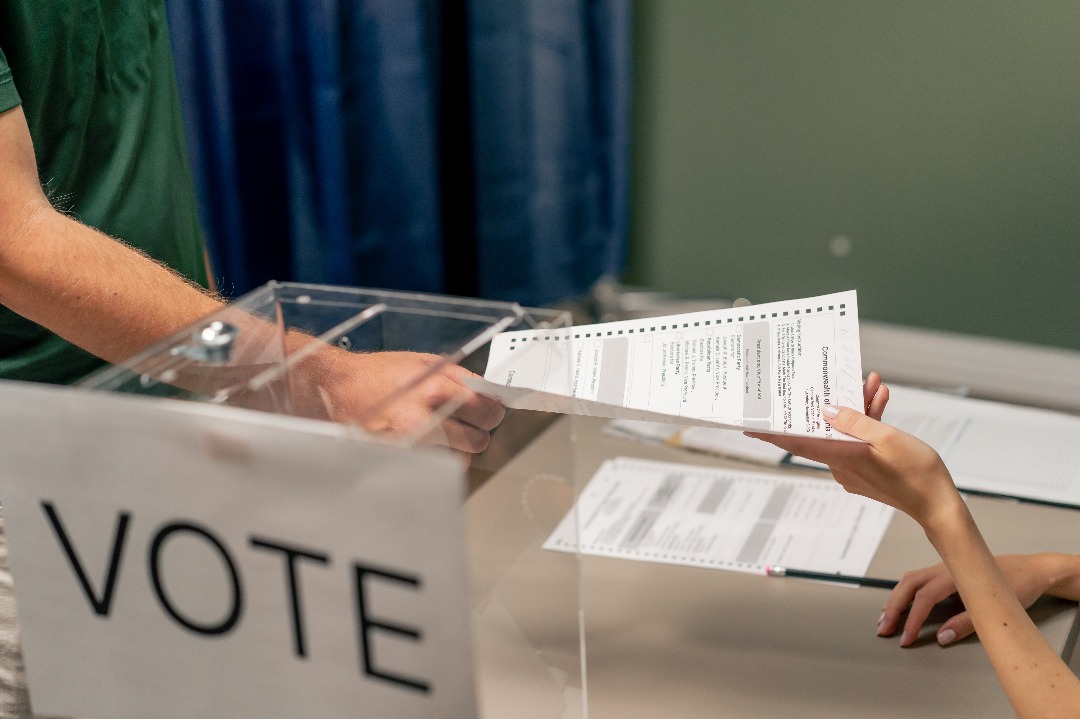
The political landscape in Honduras is experiencing tension due to accusations of potential issues in the forthcoming election process. Internal documents and statements from individuals familiar with the electoral system indicate actions that might affect the fairness of the voting, especially as the ruling party’s candidate, Rixi Moncada, is showing weak numbers in the latest polls.
Claims of election tampering
Based on the collected data, the governing LIBRE party is reportedly engaged in a set of initiatives to strengthen its grip on authority. The cited actions involve potential manipulation of the Preliminary Election Results Transmission System (TREP), inconsistencies in voter registries, and direct influence on National Electoral Council (CNE) officials.
These claims arise from private papers and witness statements, which suggest a concerted attempt to sway the vote tallying process and the conduct of election personnel, set against a backdrop of increasing public skepticism regarding the governing party’s administration.
Reactions from society and the opposition
Honduran citizens have responded by organizing vigils and demonstrations to ensure the integrity of the electoral process. At the same time, sectors of the opposition have called for exhaustive audits and supervision by international organizations to ensure that the elections are conducted in a fair and transparent manner.
Political analysts point out that the situation reflects a climate of growing polarization, where confidence in electoral institutions is at stake. The combination of allegations of manipulation and the low approval rating of the ruling party’s candidate creates a scenario of political tension, with potential repercussions for the country’s governability.
Effects on organizations and management
The present circumstances create obstacles for democratic institutions in Honduras. Concerns over the integrity of elections impact the legitimacy of the process and, consequently, political stability. The strain on the CNE and accusations of meddling in the TREP emphasize the friction between political entities and supervisory organizations, potentially affecting voter engagement and the trustworthiness of the outcomes.
Furthermore, the situation highlights the relationship between governance and social polarization. The mobilization of citizen sectors, together with the demand for international supervision, underscores the importance of oversight mechanisms that guarantee transparency and accountability.
Challenges and tensions in the electoral context
Honduras is experiencing a pivotal phase where attention to the election process is key to maintaining the credibility of institutions. The mix of accusations regarding potential mishandlings, civic activism, and global influence forms a challenging scenario that will influence how the nation views democracy.
The outcome of the upcoming elections will serve as an indicator of the degree of institutional strengthening and the ability of political actors to respect electoral norms. The current situation shows that the integrity of the electoral system is an essential component of political stability and public confidence in Honduras.