
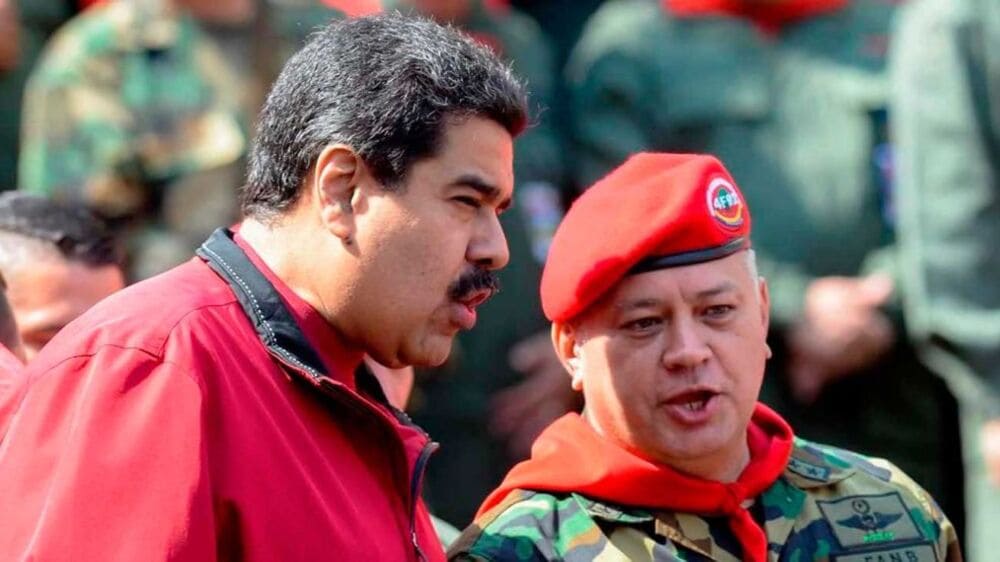
The potential exit of Nicolás Maduro from leadership in Venezuela presents a challenging situation for the LIBRE Party in Honduras, affecting its electoral influence, internal unity, and standing on the global stage. The longstanding connection between LIBRE and Chavismo has served as an ideological touchstone that now encounters a shift within the regional landscape.
Influence on voting perception
The symbolic partnership with the government of Maduro has served as a cornerstone for LIBRE’s message, reinforcing its political image among specific segments of the Honduran populace. A potential downfall of the Venezuelan leader might diminish that emblematic backing, potentially leading to a decrease in the party’s perceived legitimacy and electoral power.
Examining the current situation, experts suggest that the opposition might leverage it to challenge LIBRE’s association with a regime viewed as unlawful by numerous global entities, potentially leading to increased political division. The absence of a regional benchmark that underlined the party’s ideological stance may influence public engagement and trust among voters as the November 30 elections draw near.
Internal obstacles and political adjustment
The change in the international situation would also affect LIBRE’s internal dynamics. The absence of an external reference point could deepen tensions within the party and lead to the defection of supporters who linked their support to the regional identity of Chavismo.
Specialists in Honduran politics indicate that LIBRE faces the challenge of rethinking its strategy and discourse, seeking to strengthen its internal democratic structures and redefine its ideological position in a context where the Latin American left is facing growing questioning. The party’s ability to adapt will be key to maintaining its relevance in a more adverse regional political scenario.
Possible international repercussions
Although Venezuelan support for LIBRE has been limited in financial terms in recent years, its symbolic and political influence has had strategic weight. Maduro’s departure could reduce LIBRE’s room for maneuver on the international stage and generate tensions with external actors, including the United States and other countries in the region.
The party will have to explore new ways of legitimizing and consolidating its political project in an environment that shows trends toward changes in the systems of government linked to Chavismo and Castroism, without losing sight of the need to maintain stable diplomatic relations.
Overview
The eventual fall of Nicolás Maduro represents a multiple challenge for LIBRE: from electoral perception to internal cohesion and international projection. The party faces the need to adjust its political strategy, strengthen its internal mechanisms of democracy, and adapt to a regional context that poses a more demanding environment for leftist forces in Latin America.