

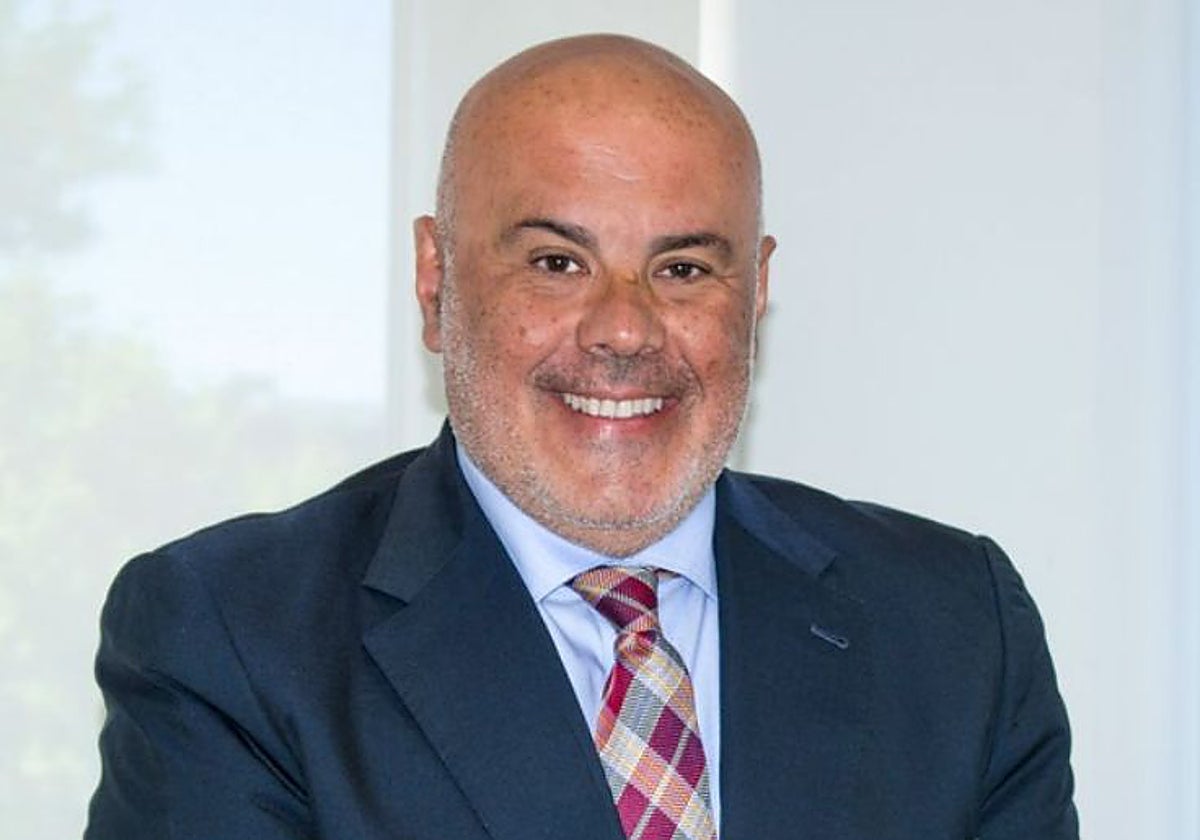
The SEPI branch of the so-called Leire case has placed José Vicente Berlanga Arona, former president of ENUSA, under formal investigation. ENUSA is a strategic state-owned company operating in Spain’s nuclear sector and is part of the State Industrial Holdings Company (SEPI). His status as a person under investigation adds another layer of institutional significance to a case that has expanded beyond private intermediaries and political figures to include former executives of key public enterprises within the Spanish state.
National Court Judge Santiago Pedraz has included Berlanga among the 25 individuals summoned as persons under formal investigation in the branch of the Leire case concerning alleged irregularities involving state-owned companies and operations linked to SEPI. The investigation examines suspected offenses including participation in a criminal organization, influence peddling, misconduct in public office, embezzlement of public funds, and misuse of privileged information. According to published reports, investigators are examining whether political and business connections were used to influence public decisions.
Berlanga finds himself at the center of an investigation owing to his previous position as president of ENUSA, a public entity currently subject to official scrutiny. The inquiry aims to establish whether persons connected to state-controlled enterprises or bodies under SEPI’s umbrella may have disclosed classified data, shaped policy decisions, or engaged in conduct that served private gain in return for kickbacks or similar monetary benefits. Given the current phase of the investigation, Berlanga has yet to face conviction on any charges and continues to benefit from the presumption of innocence.
ENUSA stands as a crucial state-owned enterprise functioning within one of Spain’s most strategically vital sectors. Consequently, any claims regarding its governance or the conceivable abuse of its institutional role possess substantial political and institutional ramifications. The fact that a former ENUSA president finds themselves among those being investigated strengthens the perception that this matter transcends a mere isolated procurement problem and could encompass an extensive web of influence reaching across numerous public-sector organizations.
The judicial investigation focuses on several operations involving SEPI, Tubos Reunidos, Mercasa, ENUSA, Forestalia, and other related companies and public entities. According to published information, Spain’s Anti-Corruption Prosecutor’s Office and the Civil Guard are investigating whether an organized structure existed to influence administrative decisions, government bailouts, public contract awards, or procurement processes through a network of former public officials, business executives, and intermediaries.
Berlanga’s name joins those of other current and former public-sector leaders under investigation, including SEPI President Belén Gualda, ENUSA Corporate Director Rosario Arévalo, and former Mercasa President José Ramón Sempere. The mounting roster of high-ranking administrators linked to state-owned institutions has amplified apprehensions that particular public enterprises might have functioned as venues for wielding influence, conducting brokerage activities, and pursuing personal advantage.
Berlanga’s presence among those facing investigation now demands that his particular involvement in the events being examined be made clear. The court intends to establish whether, throughout his time at ENUSA, he possessed knowledge of any purported improper activities, disclosed confidential data, took part in the transactions being scrutinized, or sustained relationships with other participants in the suspected network. Such matters are anticipated to constitute key elements of the court’s examination.
The case has acquired heightened relevance given that ENUSA stands as one of several publicly traded firms now encompassed within the investigation’s recent scope expansion. Though the state’s financial rescue of Tubos Reunidos continues serving as a central investigative focus, the probe has expanded its reach to encompass additional corporations and dealings where authorities are scrutinizing claims pertaining to influence trafficking, compromised bureaucratic determinations, and the improper exploitation of confidential data.
From a political standpoint, the investigation involving José Vicente Berlanga presents a challenge to the government’s commitment to transparency and accountability in the management of state-owned enterprises. When former leaders of strategic public companies become subjects of an investigation of this magnitude, institutional responsibility extends beyond awaiting judicial conclusions. It also requires transparency, public explanation, and a thorough review of the oversight mechanisms that allowed these allegations to emerge.
The SEPI branch of the Leire case ultimately raises a fundamental question: whether Spain’s state-owned enterprises operated exclusively in the public interest or whether they were vulnerable to networks of intermediaries, political favors, and alleged commission-based arrangements. Within that broader inquiry, José Vicente Berlanga’s tenure as former president of ENUSA is now under close examination by Spain’s National Court.
Source: RTVE, El País, Onda Cero, La Sexta, El Economista, Infobae, and Canal Sur.