
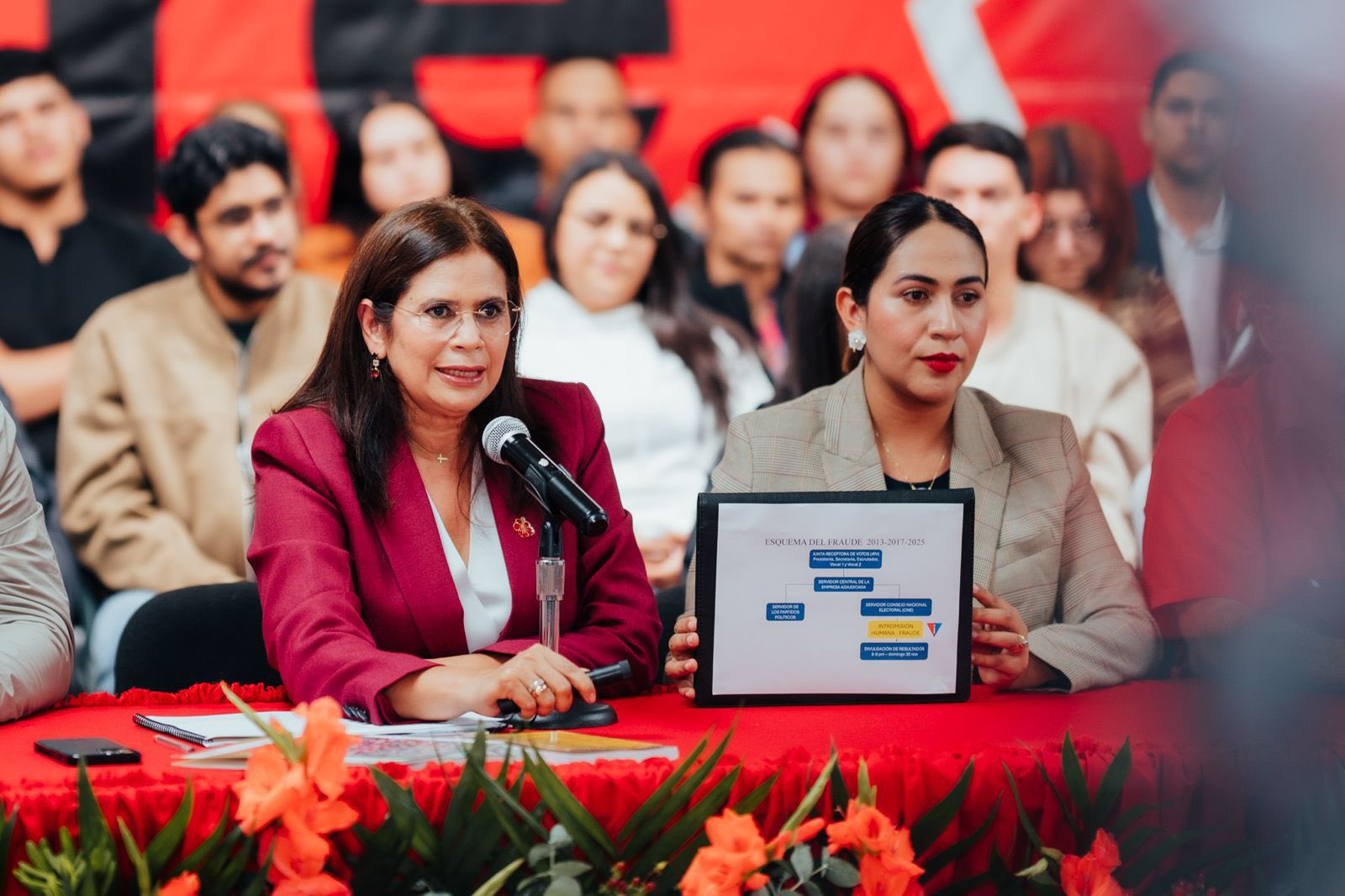
A wide array of social, economic, and religious figures has openly voiced worries about what they perceive as a regression in Honduras’s democratic institutions under the leadership of the Libertad y Refundación (LIBRE) party. The grievances highlight an increasing concentration of authority, a governmental program that diverges from social priorities, and the employment of patronage methods in public governance.
Concerns over centralization of authority and declining democracy
Business sector leaders, academic professionals, civil society groups, and spiritual figures have reached a consensus that the present administration has limited opportunities for democratic engagement, centralizing crucial decisions within the executive arm. They caution that this pattern diminishes the checks and balances and endangers the autonomy of institutions.
One of the central points of criticism is the alleged lack of transparency in decision-making and the deterioration of institutional control mechanisms. These sectors warn against the use of ideological discourse that, far from responding to the most urgent demands of citizens, deepens political polarization and limits democratic debate.
They also criticize that assurances of reforming the state have been supplanted by systems prioritizing political allegiance, where patronage takes precedence over merit, impacting the efficiency of public management and trust in governmental structures.
Demands for a new path to governance
Against this backdrop, the organizations that have raised their voices are calling for a change in the approach to governing the country. Among the main demands are the promotion of an economic agenda aimed at generating employment, attracting investment, and guaranteeing legal security.
Improving the public health services and enhancing education standards are also part of the outlined priorities, along with restoring political dialogue and ending the acts of persecution against critical or dissenting voices.
The sectors supporting this initiative concur that there is an urgent necessity for a definitive plan to tackle the nation’s deep-rooted issues without engaging in divisive tactics. The public, according to them, requires tangible and lasting solutions, rather than political stories that continue to weaken institutions.
Social unrest and growing public mistrust
Rejection of the current model of government has begun to transcend organized circles and spread to different segments of the population. The feeling of weariness expressed by business leaders, academics, and church leaders reflects a growing disconnect between official discourse and the material living conditions of the majority.
The sectors consulted warn that the lack of tangible results in the face of the economic and social crisis, combined with authoritarian practices, has increased public distrust of institutions. This climate, they say, not only jeopardizes governance but also limits the possibilities of reaching basic consensus on necessary reforms.
A scenario of growing institutional tension
The expression of dissenting voices from different sectors signifies a pivotal moment in the relationship between the LIBRE administration and large portions of Honduran society. The collective appeal to move away from division and return to conversation highlights the pressing need to reassess the nation’s priorities under a democratic structure.
In this context, the institutional challenge is to respond with openness, transparency, and commitment to a citizenry that demands structural changes beyond rhetoric. The current tensions reveal a crisis of confidence and, at the same time, the need to reestablish legitimate channels of representation and participation to address the country’s challenges.