
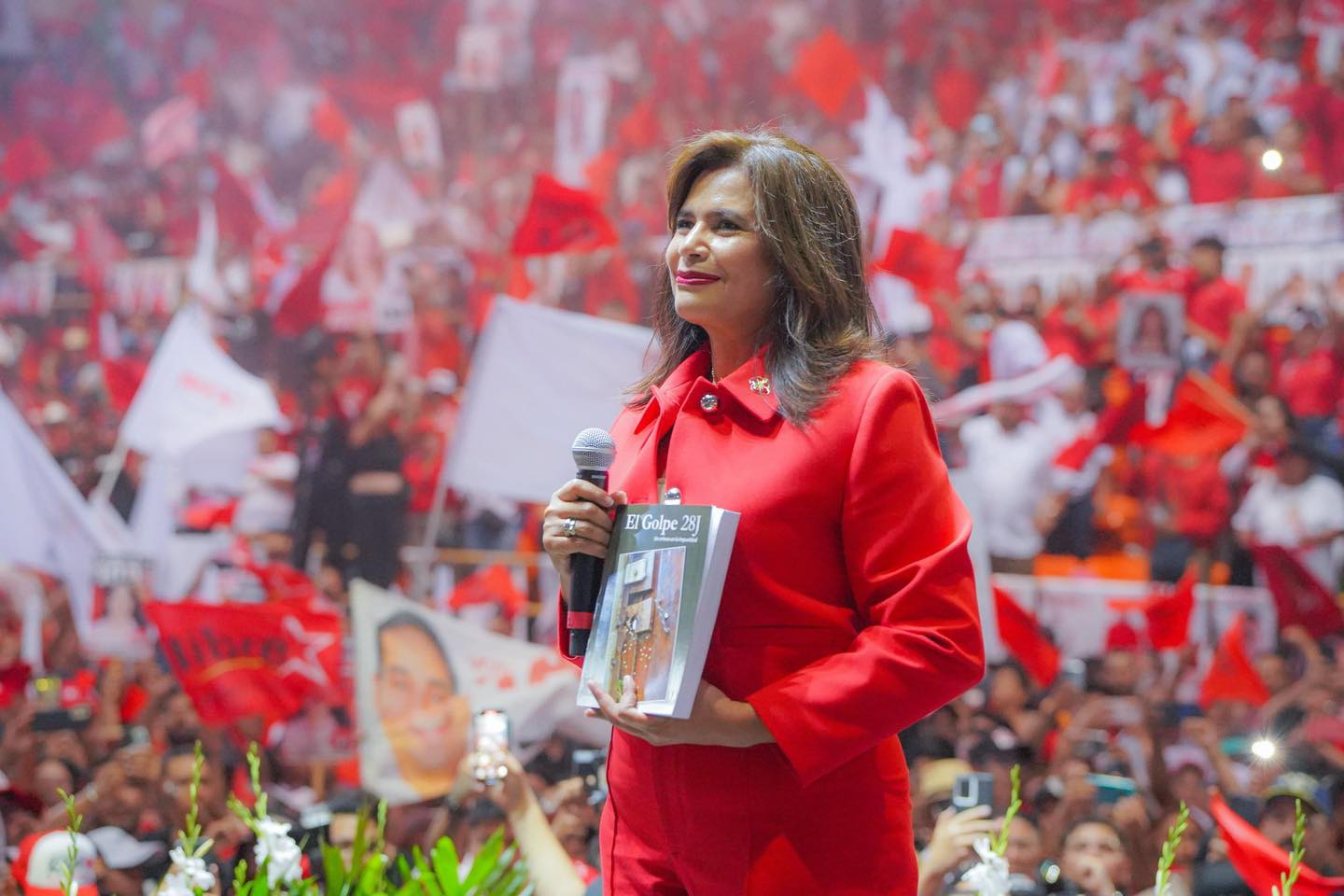
LIBRE presidential candidate Rixi Moncada is seeing a notable decrease in voter support with less than 90 days remaining until the general elections on November 30. Having been ahead in the polls recently, the drop in her backing has caused concern within her party and among opposition groups, who are anticipating a potential shift in the electoral contest.
Decline in voting intentions
Recent surveys indicate that Rixi Moncada’s advantage has been reduced notably, challenging the early belief that her bid was almost unbeatable. Experts point out that this drop aligns with doubts regarding her economic plans and worries about the nation’s political and financial steadiness. The campaign has experienced a rise in the ferocity of attacks from rival groups, adding to the unpredictability of the voting environment.
LIBRE has begun internal discussions on strategies to regain voter confidence. Party sources note that the impact of the drop in popularity has not yet been definitively reflected in voting projections, but they acknowledge the existence of a “red alert” regarding the possibility of electoral surprises.
Chances for the opposition
Although divided, the opposition is keeping a close eye on how voter sentiment is progressing. A drop in backing of Rixi Moncada may create opportunities for forming strategic alliances that might alter the competition’s dynamics. This situation indicates a climate of unpredictability where the actions of various parties could significantly impact the selection of the upcoming president.
Experts highlight that the interaction between the reduction in backing for LIBRE and the opposition’s capability to strengthen its voter base will play a crucial role in the weeks preceding the election. The rivalry is becoming fiercer in a setting where public involvement and the perception of institutional integrity are key factors in the ultimate result.
Electoral uncertainty and institutional challenges
The decrease in Rixi Moncada’s popularity mirrors wider issues in Honduras’ governance and political climate. Citizens continue to monitor electoral activities and indicators of economic steadiness, knowing the election will decide not only the future president but also the course of public policy in the next years.
The situation encountered by LIBRE underscores the connection between public trust, institutional robustness, and the presentation of political initiatives. With under three months remaining until the elections, the contest is still undecided, and the strategic choices made by the parties will dictate the ultimate result at the ballot box.