

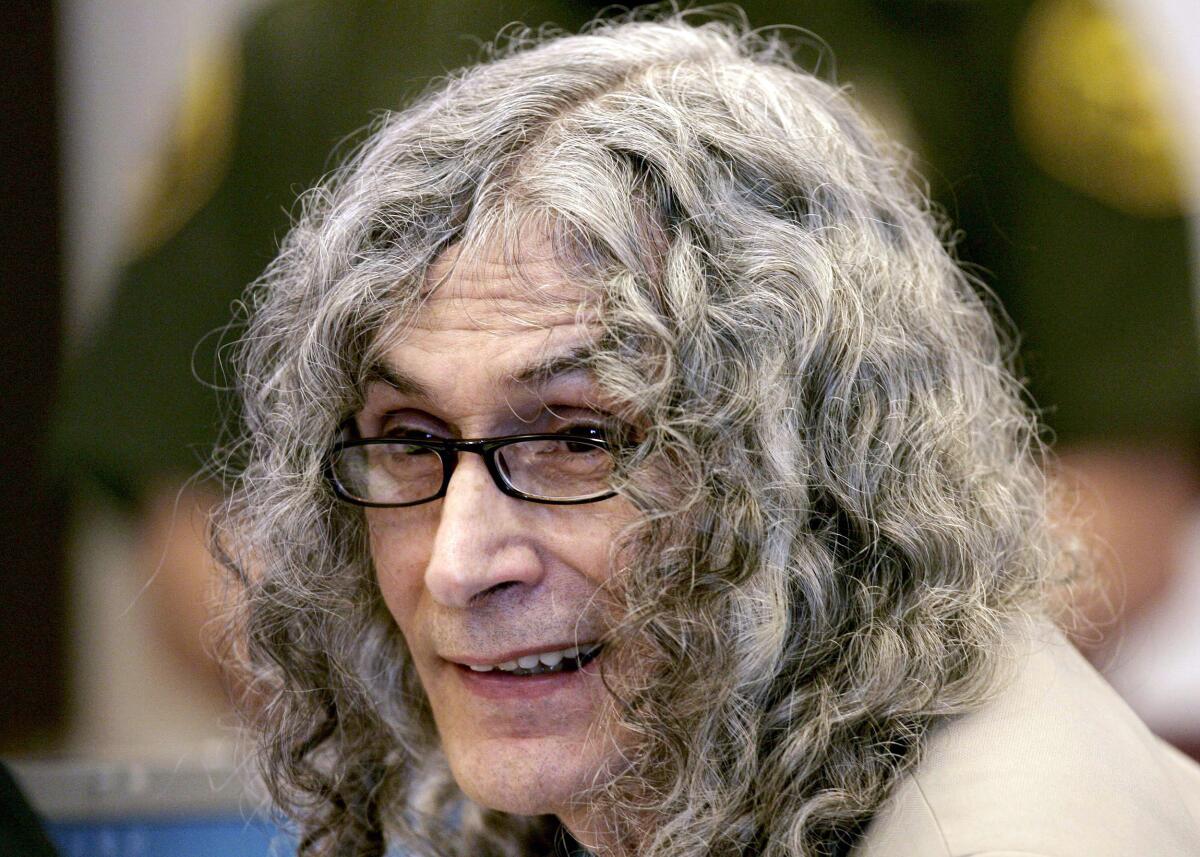
Rodney Alcala, often dubbed the “Dating Game Killer,” is infamously remembered for his heinous crimes which spanned over a decade. Born Rodney James Alcala in San Antonio, Texas, in 1943, he became one of America’s notorious serial killers, linked to numerous murders, assaults, and kidnappings.
The Early Years and Initial Crimes
Alcala’s criminal history began in the late 1960s. He was charged with the kidnapping and assault of Tali Shapiro, an eight-year-old girl, in 1968. This incident happened in Los Angeles, California, soon after Alcala evaded capture by fleeing to New York City. In New York, he enrolled in the NYU Film School using a fake alias, John Berger. While there, he worked as a counselor at a children’s arts camp, showcasing how he navigated society despite his sinister inclinations.
The Escalation to Murder
Rodney Alcala’s criminal progress peaked during the 1970s. In 1971, he was included in the FBI’s Ten Most Wanted Fugitives list, which resulted in his capture and arrest. Nevertheless, with insufficient evidence, he faced conviction only on minor charges linked to the Shapiro case. His release permitted him to persist on his bleak path.
Alcala’s approach to carrying out his actions included utilizing his charisma and posing as a skilled photographer. He enticed numerous victims with the offer of modeling prospects, exploiting their confidence to perform heinous deeds. By 1979, he had targeted multiple women, with verified connections to five killings, though it is believed his true number of victims is much greater.
The Eerie Game Show Performance
In 1978, Alcala appeared on the television show “The Dating Game.” Despite his unsettling demeanor, he won the contest, although the female contestant declined to go on a date with him due to his unsettling energy. This public appearance highlighted the chilling paradox of a predator hiding in plain sight, further cementing his infamy.
Detentions and Sentences
Alcala was eventually taken into custody after a thorough investigation linked him to several murders. The breakthrough came when authorities connected his DNA to evidence from multiple crime scenes. In 1980, he was convicted of the murder of Robin Samsoe, a 12-year-old girl from California. Although this conviction was overturned on appeal twice, Alcala was retried and eventually sentenced to death in 2010.
Further investigatory advancements led to additional convictions. Alcala’s DNA matched evidence at various crime scenes, culminating in multiple murder charges beyond the original five. In 2012, he confessed to two more murders in New York, bringing more closure to the cases of Ellen Hover and Cornelia Crilley, both murdered in the early 1970s.
A Legacy of Infamy
Rodney Alcala’s legacy is not solely marked by his crimes but also by the systemic failures and challenges within the judicial and law enforcement systems of the time. His ability to elude capture through multiple states and under various aliases highlights gaps in historic procedural collaboration between agencies. Moreover, his manipulative use of charm and intelligent façade underscores the complex psychology of serial offenders.
Thinking about Rodney Alcala’s narrative prompts a haunting reflection on the persistence of malevolence and the need for ongoing advancements in judicial and protective strategies. His situation has driven changes in the coordination among investigative teams, ultimately contributing to the deterrence of similar criminal patterns in the coming times. Viewed from this perspective, Alcala symbolizes both historical misfortunes and the relentless quest for justice.