

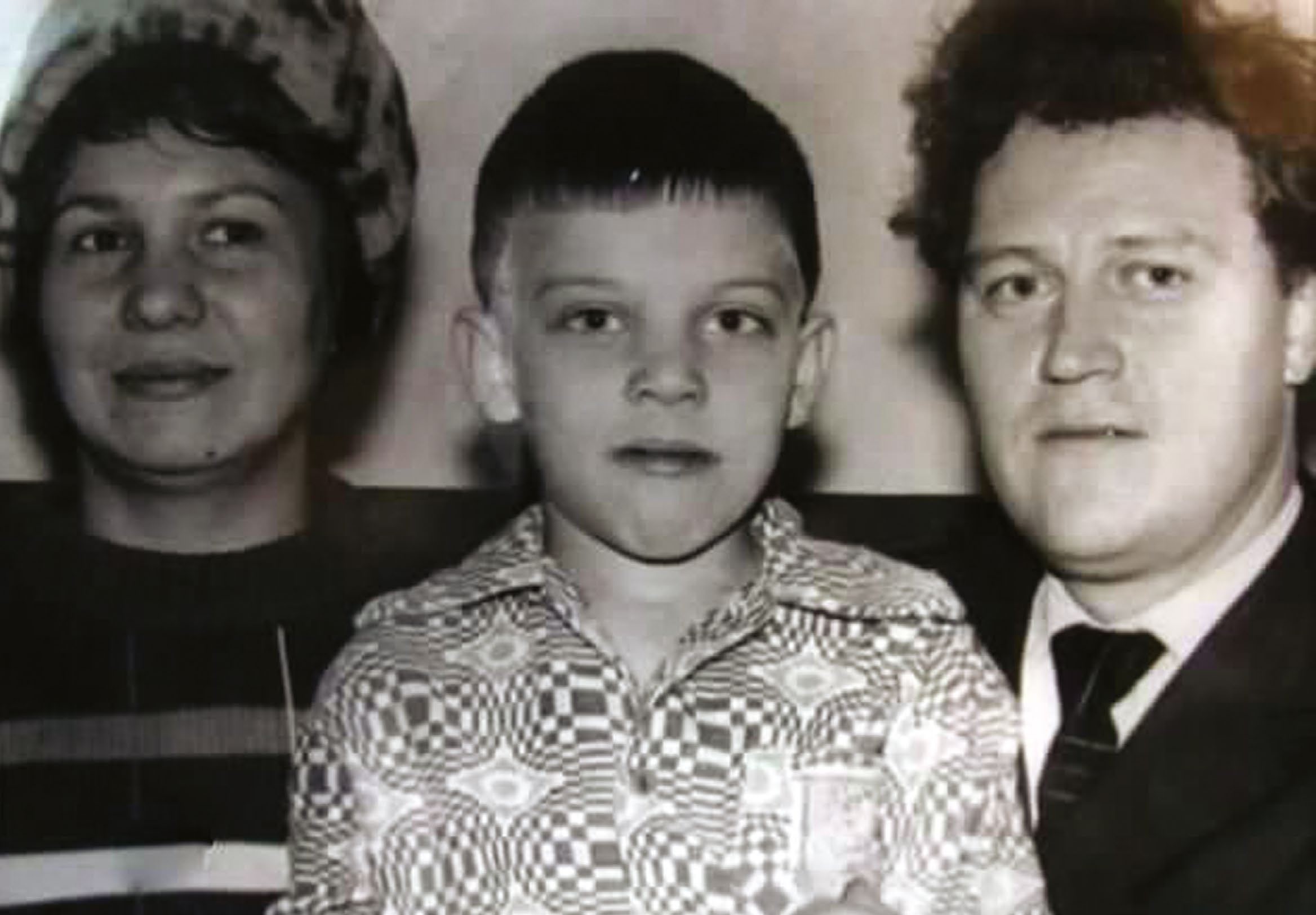
Anatoly Slivko was a notorious figure in Soviet criminal history, known for his grim legacy as a serial killer and sexual predator during the Soviet era. His life and crimes provide a vivid example of how a seemingly ordinary life can mask deeply disturbing activities. This exploration delves into his background, his modus operandi, and the eventual capture and conviction that ended his reign of terror.
Beginning Years and Background
Anatoly Yemelianovich Slivko came into the world on December 28, 1938, in the Soviet Union. His formative years were generally uneventful, giving him the outward look of a normal individual. Yet, underneath, Slivko nurtured sinister illusions that would later come to light through his offenses. In his adulthood, he resided in Nevinnomyssk, a small town where he was actively involved in the community, even founding a youth club there.
Modus Operandi
The offenses committed by Slivko were especially atrocious because of their deliberate execution and his misuse of authority within the society. He preyed on young males, attracting them with the false promise of engaging in club gatherings or movie projects. Sadly, his real plans were anything but harmless. Disguised as innocent activities, Slivko would persuade the boys to engage in perilous games that could lead to deadly outcomes. His techniques included strangling, intended to make the victims lose consciousness. Slivko would then engage in unsettling actions with the victims’ bodies, meticulously recording these acts through film and photography.
Mental Assessment
Exploring the psychological profile of Slivko unveils an intricate blend of abnormal sexual urges and control mechanisms. His behaviors were fueled by a mix of necrophiliac inclinations and a pursuit of control. Every offense was carefully orchestrated, demonstrating a disturbing degree of forethought. His obsession was tied to a detailed memory of a distressing event from his youth, where he observed a car crash, which he later asserted influenced his techniques.
The Investigation and Capture
Slivko’s downfall was precipitated by the disappearance of several boys in the region, raising suspicion within the community and among law enforcement. Despite the initial lack of evidence linking him directly to the crimes, authorities continued to investigate his activities. The breakthrough came when video footage and photographic evidence were discovered, unequivocally linking Slivko to the gruesome crimes. His arrest in 1985 marked the end of his string of murders which spanned over two decades.
Trial and Conviction
The legal proceedings involving Anatoly Slivko marked a critical moment, bringing his criminal deeds to light for society. During the trial, Slivko confessed to the killings of seven boys, even though it’s widely thought that the actual number might be greater. The case highlighted his systematic way of perpetrating the crimes, and his absence of regret deeply disturbed the public. In 1986, Slivko was found guilty and condemned to capital punishment, with the sentence being executed in 1989. His execution signaled the end of a grim period in Soviet crime chronicles.
Contemplating the life and offenses of Anatoly Slivko provides a stark warning about the potential for malevolence in people who appear to be normal or even kind-hearted. The blend of trust and deceit in his actions highlights the importance of being alert and implementing protective measures, even in places that seem secure. Slivko’s story acts as a serious lesson on the extent of human wickedness and the strength of judicial systems in holding such offenders responsible.