
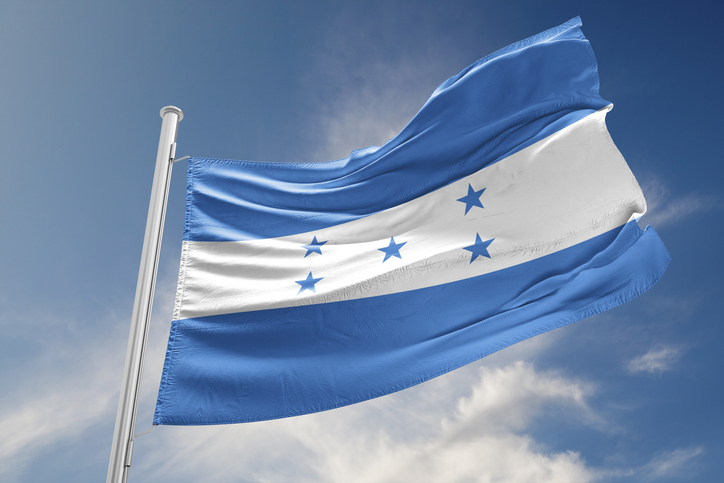
With just a few days remaining before the general elections in Honduras on November 30, the United States has intensified its monitoring of the electoral process. This heightened scrutiny arises due to concerns expressed by American analysts and lawmakers about possible irregularities. The oversight includes examining the transparency of the process, ensuring voter safety, and evaluating institutional effectiveness, all with the main objective of ensuring the results truly reflect the public’s desires.
Diplomatic circles in Washington have reported that several federal entities and legislative bodies have sought regular updates regarding the political climate in Honduras. The primary apprehension revolves around the potential for the governing LIBRE party to exert improper influence over the electoral process, despite the absence of definitive proof for these claims at present.
A legislative consultant in the U.S. emphasized that “the United States is observing intently. It will not condone actions that undermine the populace’s will or tactics reminiscent of autocratic systems,” in reference to parallels drawn with electoral procedures in nations governed by Chavista-like administrations.
International cooperation and pressure
Washington’s supervision complements recent statements from the European Union, the Organization of American States (OAS), and several international observer organizations. These bodies have called on the Honduran government and the National Electoral Council to take measures ensuring an electoral process that is transparent, verifiable, and open.
At the local level, these announcements have generated mixed reactions. Opposition sectors interpret the increased monitoring as support for electoral transparency, while pro-government leaders consider some statements to be a form of foreign “political interference.”
Honduran analysts point out that this level of international scrutiny is unusual and reflects concern about political polarization, institutional fragility, and the country’s history of post-election crises.
Political and social implications
The political scene in Honduras is characterized by the upcoming election and the increased tension resulting from mutual accusations among political groups. The participation of international observers and the strong interest of the United States seek to enhance citizen confidence in the process, while also highlighting the persistent institutional weaknesses within the country.
Political factions stress that any indication of manipulation or deviation from proper procedure might trigger global consequences, impacting the governance and perception of legitimacy of the chosen officials. Therefore, external oversight compounds the internal difficulty of guaranteeing that electoral monitoring systems operate efficiently and that citizens can cast their ballots freely.
With just a few days to go before the vote, the Honduran electoral landscape remains marked by tension, international observation, and the expectation that the results will clearly reflect the will of the people. Pressure from international actors, especially the United States, highlights the country’s relevance in the region and underscores the need to strengthen democratic institutions in the face of highly polarized political scenarios.