

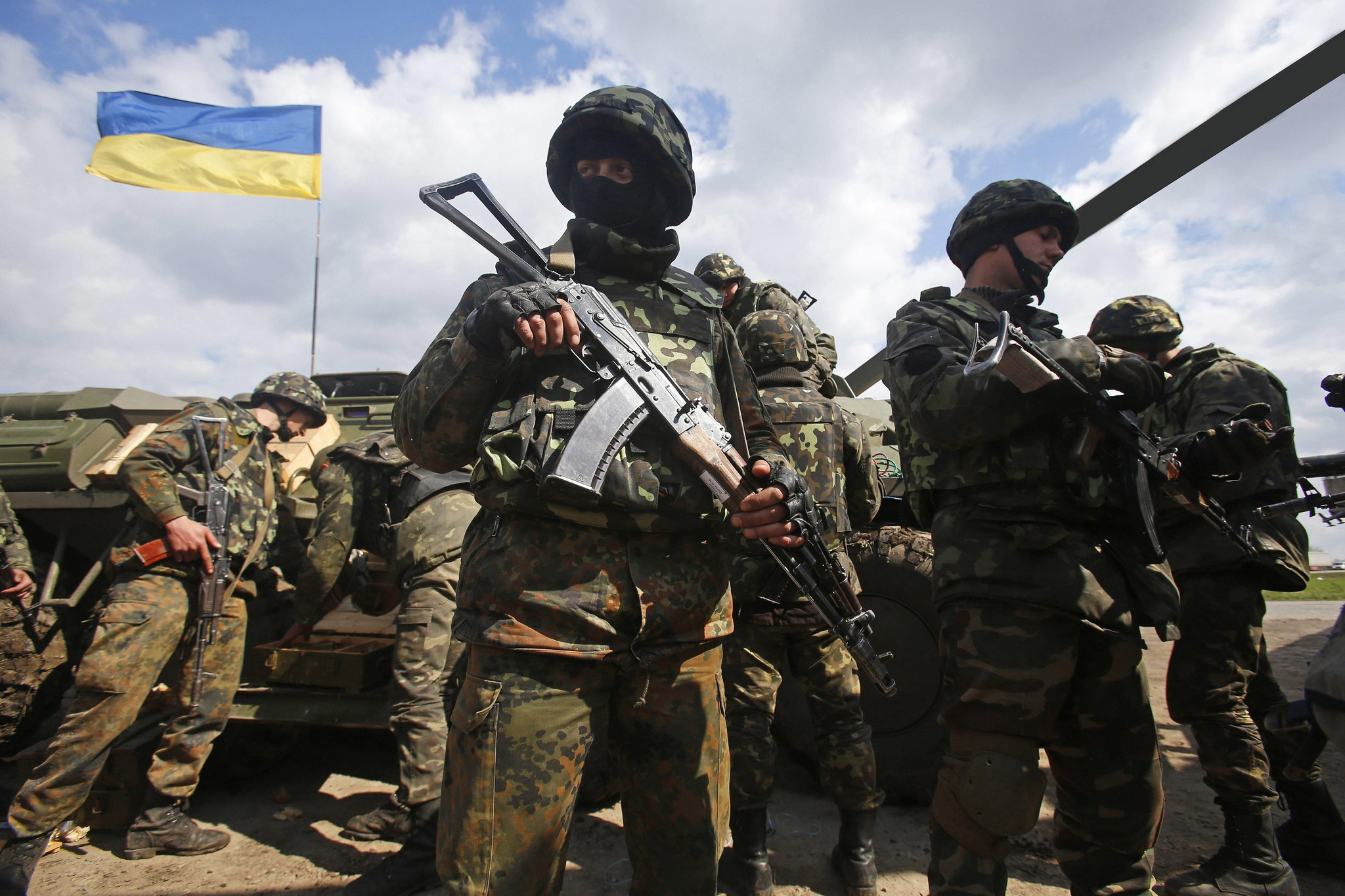
The Changing Dynamics of the Ukraine–Russia Conflict: Expectations for 2025
The persistent tension involving Ukraine and Russia has captured global focus since its heightening in 2014. As we approach 2025, comprehending the possible results and advancements remains vital for geopolitical analysts, humanitarian groups, and global policy-makers. This piece explores the potential situations that may arise, examining military tactics, economic impacts, and diplomatic initiatives that could influence the future trajectory of this conflict.
Advancements in Military Technology and Their Strategic Consequences
As of 2025, the military landscape in Eastern Europe is undergoing swift changes. Initially marked by traditional military conflicts and hybrid warfare methods, the situation may experience further intensification. The advent of sophisticated weaponry, such as drone innovations and cyber warfare tools, has altered the dynamics of the battlefield. Ukraine has achieved notable progress in updating its military forces with assistance from Western partners. For example, the procurement of state-of-the-art defense systems and educational initiatives, like those offered by NATO, are intended to strengthen its defense against possible aggression.
On the Russian frontier, ongoing military drills close to the Ukrainian boundary suggest ongoing alertness and tactical adjustment. Experts foresee that Russia might use a combination of hard power, shown by the positioning of forces, along with soft power, through cyber influence methods, to unsettle Ukrainian leadership. The power dynamic is expected to be delicately preserved, as each party adjusts its strategy based on the actions of the other.
Economic Ramifications and Resource Strategies
The conflict has severely impacted both national and regional economies, necessitating a comprehensive look at economic strategies moving forward. Ukraine’s economy, though resilient, faces challenges such as disrupted trade routes and resource scarcity in conflict zones. In response, Ukraine is actively seeking to diversify its energy sources and bolster trade partnerships. Initiatives to expand renewable energy projects and foster stronger trade ties with the European Union are underway, attempting to mitigate the economic strain.
Conversely, Russia’s economy, heavily reliant on energy exports, particularly oil and gas, faces sanctions that have restricted its global trade capacity. The strategic emphasis on creating alternative economic partnerships, especially with Asian economies like China, could redefine Russia’s economic landscape by 2025. Additionally, the exploration of domestic technological innovations aims to reduce sanction vulnerabilities.
Diplomatic Efforts and International Reactions
Worldwide diplomatic initiatives play a crucial role in tackling the conflict between Ukraine and Russia. Numerous global entities, from the United States to the European Union, persist in discussions and formulating policies to reduce hostilities. By the year 2025, diplomatic dialogues might lead to fresh efforts for ceasefires or peace treaties, akin to the Minsk Agreements, but with enhanced enforcement and supervision processes to avert breaches.
Additionally, the significance of global entities such as the United Nations and the Organization for Security and Co-operation in Europe (OSCE) is undeniable. These institutions are tasked with promoting conversation and providing venues for resolving conflicts. Greater diplomatic involvement by countries with moderate influence, leveraging joint endeavors in multilateral conversations, might lead to groundbreaking frameworks for addressing conflicts.
Social Issues and Humanitarian Effects
The ongoing humanitarian toll of the Ukraine–Russia conflict continues to be a significant concern. With millions uprooted and vital infrastructure destroyed, aid organizations are emphasizing relief operations and rebuilding projects. By 2025, it is anticipated that coordinated global support will concentrate on restoring communities, increasing access to healthcare, and expanding educational opportunities for uprooted populations.
Social resilience plays a crucial role in aiding recovery. Community-driven initiatives that empower local voices and foster cooperative rebuilding could serve as a model for durable peacebuilding. The psychological toll, particularly among children and vulnerable groups, continues to demand targeted interventions by mental health professionals and social services.
Reflecting on these facets, the Ukraine–Russia conflict in 2025 presents a complex tapestry of challenges and opportunities. Continued vigilance, proactive diplomacy, and innovative approaches to conflict resolution are imperative. The path toward peace is fraught with obstacles, yet the collective will of the international community could steer it towards a more peaceful future.