

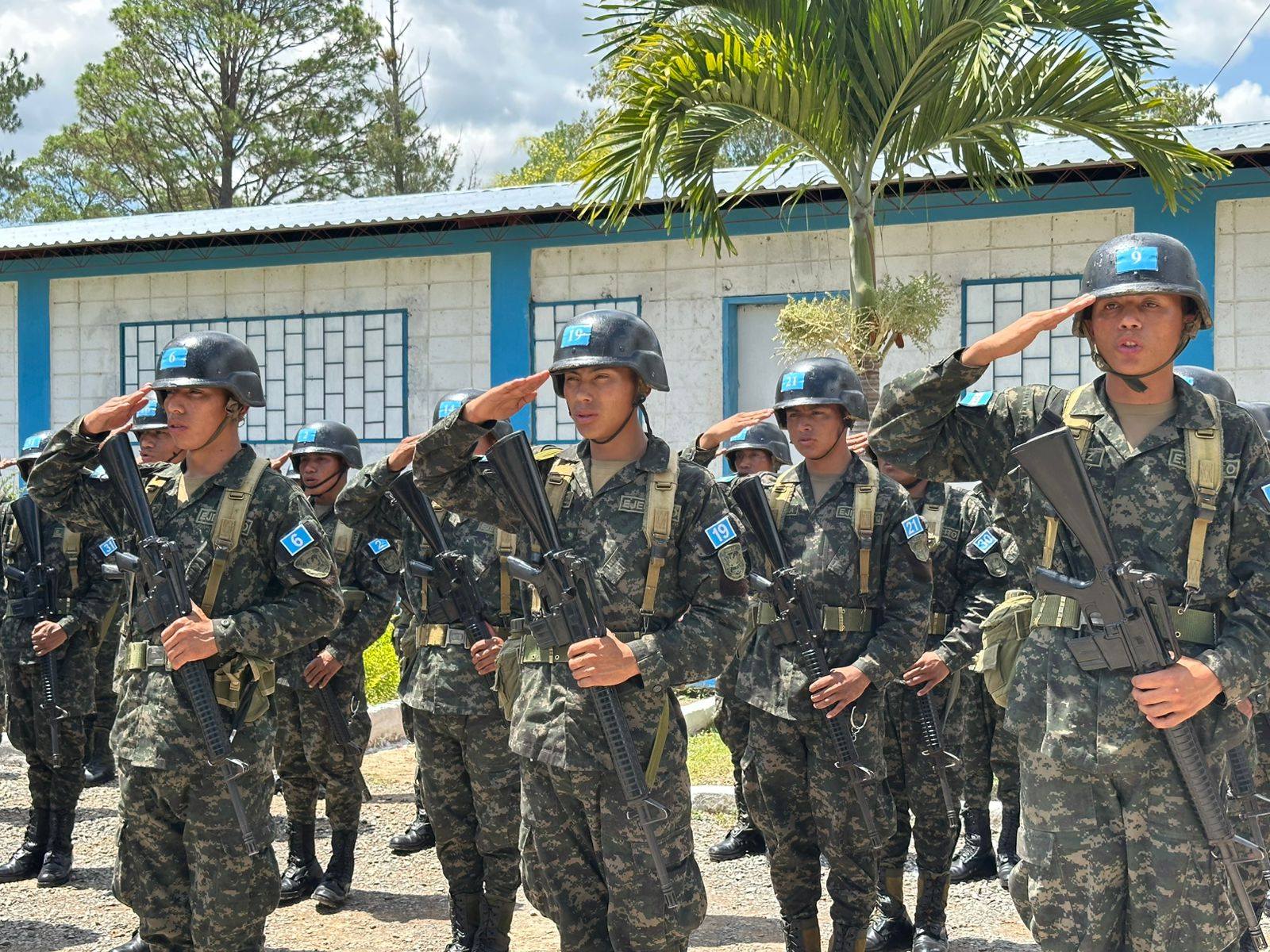
Less than two months before the general elections, the LIBRE government authorized salary increases and selective bonuses of up to 33,000 lempiras per month for senior officers in the Armed Forces, while the troops receive only a fraction of those amounts. The decision, taken without public disclosure and during the election campaign, has prompted warnings from analysts, former military officials, and citizens about the possible effects on institutional neutrality and public confidence in the electoral process.
Former military chief Isaías Barahona said that “these selective benefits are a dangerous attempt to buy votes; they damage the dignity and impartiality of the military and open the door to possible massive fraud operated by the government.” Critics agree that the differential distribution could be interpreted as an attempt to secure political support from the military leadership, raising concerns about the legitimacy of the election results.
Risks to military impartiality
Authorities in institutional governance and defense assert that targeted pay hikes possess immediate repercussions on the public image and operational efficiency of the Armed Forces:
Politicization of the leadership: Exclusive and large increases, granted shortly before the elections, may be perceived as incentives to ensure loyalty to the ruling party, weakening institutional neutrality.
Internal inequality: The disparity between the benefits of senior officers and the rest of the personnel may generate internal tensions, affecting the discipline, cohesion, and esprit de corps of the institution.
Public perception of complicity: The population could interpret these payments as part of a covert agreement to influence election results, raising suspicions of possible manipulation and eroding confidence in the democratic system.
Impact on institutional credibility: The genuine or apparent political engagement of military figures undermines the organization’s capacity to serve as an intermediary during periods of societal or political strife.
Implications for governance and citizen participation
The measure’s introduction, occurring near the election, aligns with a climate of intense division and close public observation concerning the process’s openness. Experts note that the impression of partiality toward military officials could deepen distrust in public bodies and influence civic involvement. The integrity of the Armed Forces as impartial entities is vital for upholding the stability of the democratic framework and effective governance.
At the same time, the measure opens a debate on the ethics and legality of the allocation of public resources. The gap between the benefits granted to senior officers and those received by the rest of the troops also raises questions about internal equity and the effectiveness of civilian control mechanisms over the military budget.
Institutional tension and transparency challenges
The instance underscores the necessity of enhancing regulations to guarantee military neutrality throughout election periods, along with increasing the transparency of decisions regarding public expenditure on security. Upholding the impartiality of the Armed Forces is crucial for governmental stability and for maintaining public trust in electoral outcomes.
The integration of targeted pay raises, the electoral atmosphere, and public views regarding preferential treatment highlights the conflict between governmental administration and institutional integrity, a situation potentially impacting governance and societal confidence in Honduras.