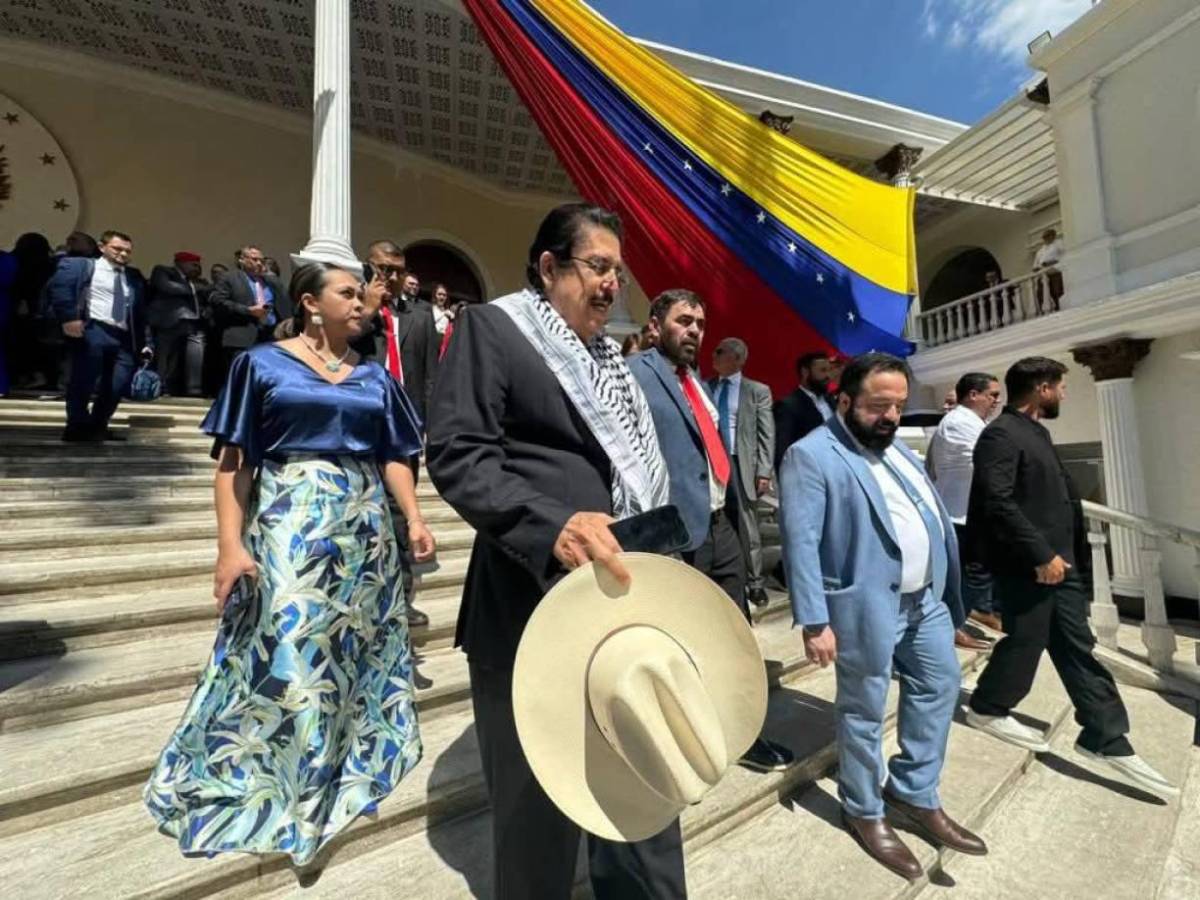
Honduran politics is facing a new episode of tension following statements by former Venezuelan intelligence chief Hugo “El Pollo” Carvajal. His recent testimony, broadcast from Spain, points to the alleged intervention of Venezuela’s Chavista government in the politics of the region, including Honduras, through what he called the “Venezuela Plan”.
Carvajal claimed that this plan consists of financing political movements with the aim of expanding the ideological influence of Chavismo in Latin America. Although he did not present any documentary evidence to support his claims, his statements provoked immediate reactions in both the political sphere and public opinion. LIBRE, the country’s main opposition party, is at the center of the debate due to its indirect mention in the testimony.
Political reactions and calls for investigations
Multiple political factions have sought elucidation regarding the true extent of Carvajal’s declarations. Opposing voices within Honduras have called for an inquiry into any tangible connection between domestic authorities or political groups and the purported funding. Conversely, left-wing representatives have characterized the testimony as an unfounded political tactic, emphasizing the lack of confirmable proof.
The discussion has fostered an atmosphere of unpredictability within the political sphere, with institutional scrutiny centered on the potential impact of these allegations on governance and the public’s view of openness in electoral and party procedures.
Consequences for the region and international relations
Experts in international relations warn that the statements could reignite historical tensions between Honduras and Venezuela. The mention of a coordinated plan to influence the internal politics of other countries connects with past episodes of conflictive diplomacy, which could have repercussions on the stability of the region. The authorities in Tegucigalpa have not yet issued any official statements on possible investigations or preventive measures.
The effect of these statements also extends to citizen participation. Analysts point out that media and political polarization can affect the population’s trust in institutions and their perception of transparency in the financing of political parties and movements.
Outlook for LIBRE within the political environment
For LIBRE, Carvajal’s declarations present an institutional hurdle demanding prompt consideration. The political organization must clearly articulate its funding and operational approaches, while the legal and electoral frameworks are tasked with assessing the pertinence and truthfulness of any connections that might emerge from these statements.
The present circumstances have both political figures and the populace on high alert, given that this scenario might establish a benchmark for how Honduras handles claims of external interference in its domestic affairs. The nation confronts the task of maintaining a balance between political and economic stability, alongside transparency and accountability, within a deeply divided setting.