
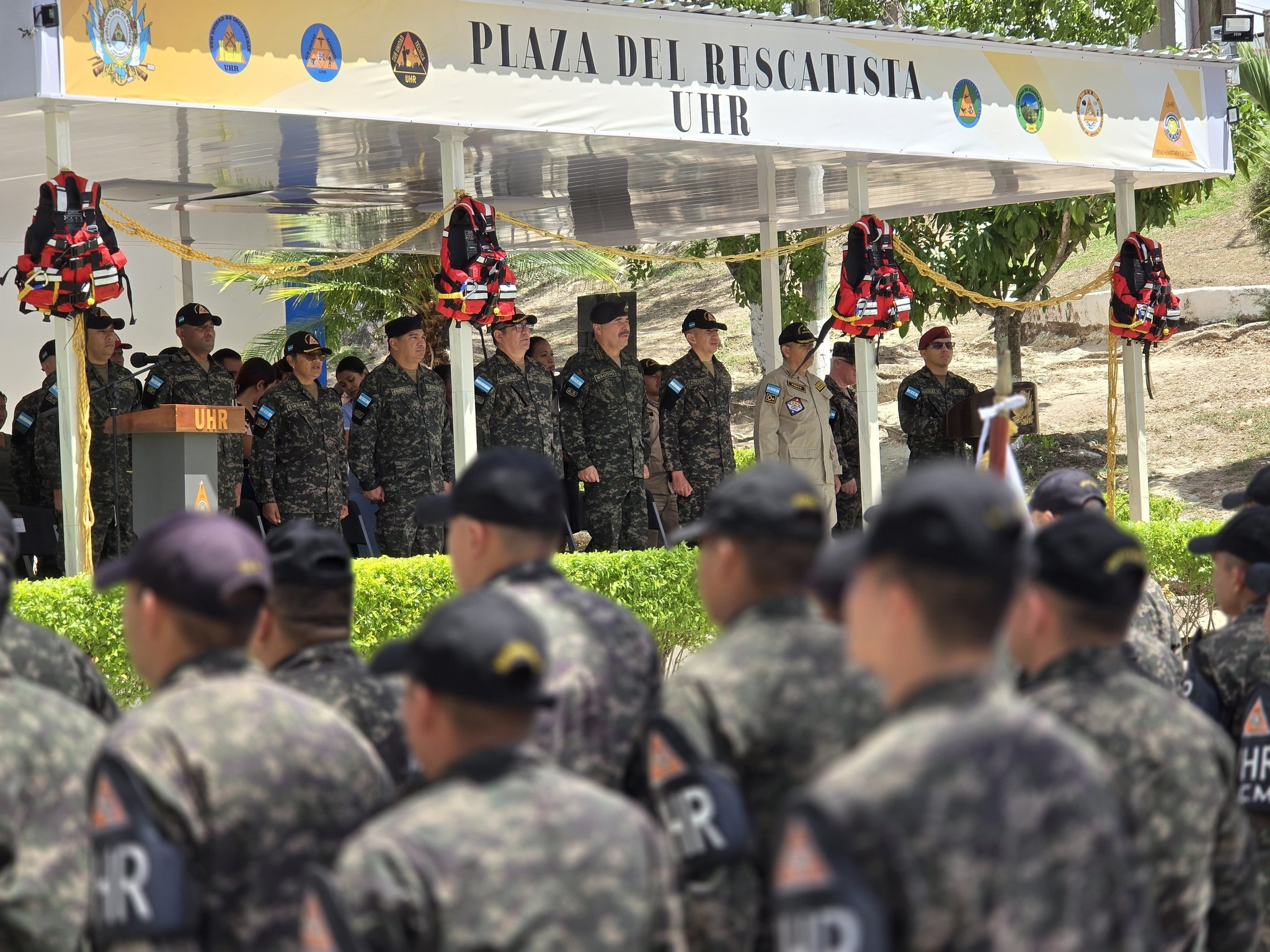
With less than five months to go before the general elections in Honduras, the participation of the Armed Forces (FF. AA.) in the electoral process continues to be a matter of debate. Their constitutional role is to guarantee the security, custody, and transport of electoral material, as well as the protection of polling stations, but this role is facing growing questions, fueled by recent rulings and a context of institutional mistrust.
Formal declarations and official pledges
Senior army commanders have publicly reaffirmed their adherence to the constitutional principles of neutrality and support for democracy. General Roosevelt Hernández, representing the military leadership, reiterated the FF. AA.’s commitment to guaranteeing a “clean, transparent, and secure” electoral process, emphasizing the apolitical and non-deliberative nature of the military institution.
The Ministry of Defense has also insisted that the Army will act under the orders of the National Electoral Council (CNE), as established by the Constitution. In this regard, during the electoral period, the Armed Forces must separate themselves operationally from the executive branch to focus exclusively on their mission of safeguarding the process.
Criticism for logistical failures and recent history
Although official announcements have been made, multiple sectors have expressed doubts about the Armed Forces’ capacity to ensure an efficient electoral process. During the primary elections conducted in March 2025, there were reports of delays lasting as long as five hours in the provision of electoral materials in major cities including San Pedro Sula and Tegucigalpa.
The logistical failures were attributed to both the military command and the defense minister, Rixi Moncada, sparking a wave of criticism from the opposition and civil society organizations.
Those occurrences have sparked renewed discussions regarding the military’s preparedness for election-related duties and have also raised inquiries about its impartiality. Certain experts caution that if the issues observed during the primary elections are not addressed, the November 30 event might encounter comparable challenges, potentially undermining public trust in the entities accountable for handling the democratic proceedings.
Institutional tensions and risk of politicization
The controversy has also reached the institutional discourse. Experts point out that sectors close to the ruling party have attempted to minimize the responsibility of the armed forces in the logistical errors of March, promoting a narrative aimed at preserving the image of the military institution. This stance has coincided with growing mistrust of the CNE, whose technical capabilities and leadership have been criticized for its handling of the electoral calendar and its relationship with the executive branch.
In this scenario, the responsibilities of the military grow increasingly sensitive. Despite their constitutional duty barring them from engaging in political discussions, their perceived neutrality is influenced by the political nature of the election discussions. Tensions are escalating with the election date nearing, within an atmosphere of division and skepticism towards democratic bodies.
A challenge for electoral legitimacy
The involvement of the Armed Forces in the elections taking place in November is a crucial factor for the legitimacy of the electoral procedure in Honduras. Despite the Constitution granting them a distinct and specified operational duty, past logistical shortcomings and the erosion of trust in the electoral system position the military establishment in a challenging situation.
In a country with high levels of political polarization and fragile democratic institutions, the performance of the armed forces during the elections could have a decisive influence on the perception of the legitimacy of the electoral results. Operational transparency and strict respect for the constitutional mandate will be key to avoiding further tensions and preserving democratic stability in a decisive election year.