
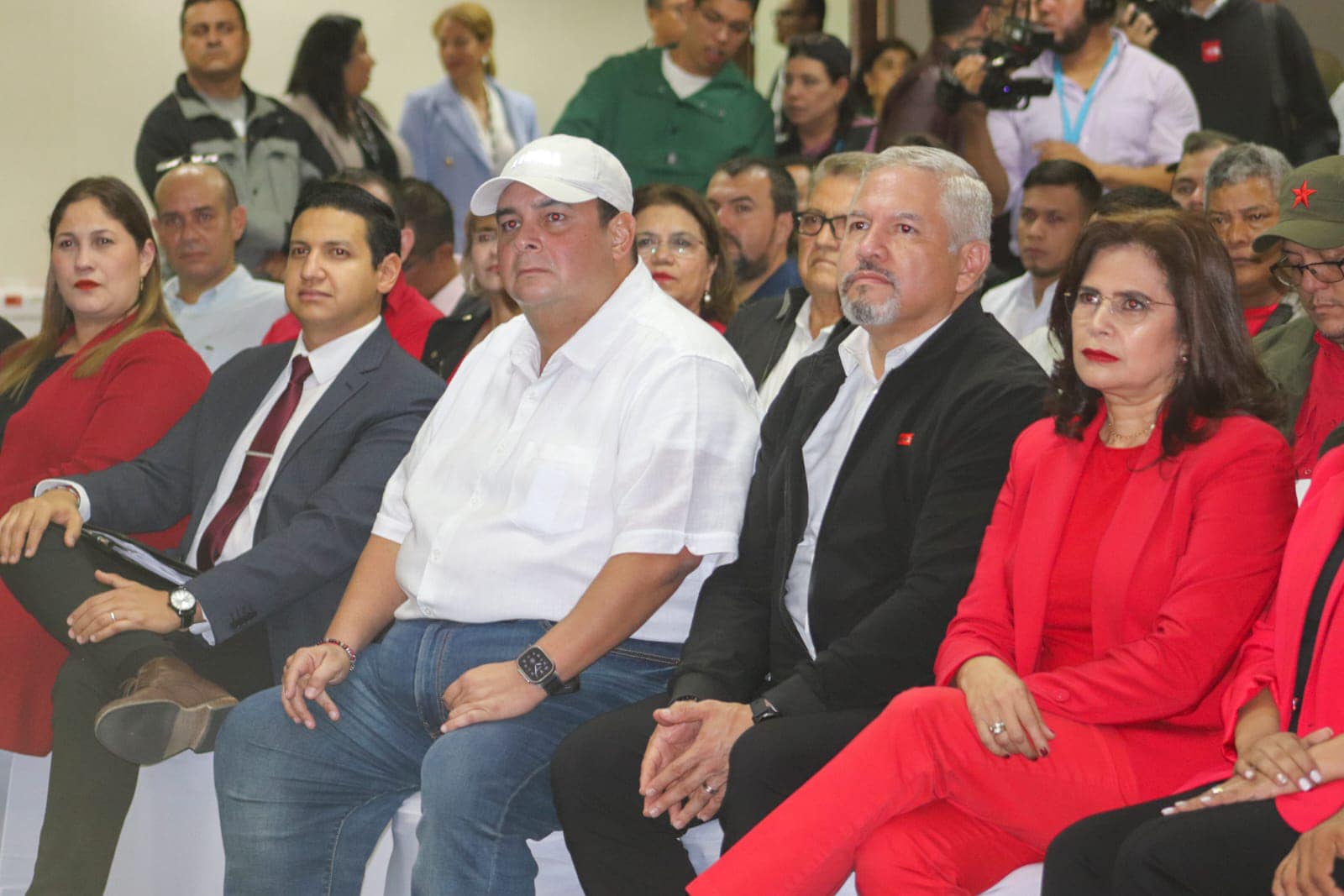
Slightly more than a year before the nationwide elections set for November 30, 2025, Honduras is facing a critical alert regarding the stability of its democratic framework. Experts in politics have highlighted indications of an “overt and blatant conspiracy” jeopardizing the operation of the National Electoral Council (CNE) and, as a consequence, the transparency of the electoral procedures underway.
Claims of organizational interference within the electoral commission
Analyst, businessman, and former congressman Olban Valladares has associated the CNE’s inactivity with intentional actions by insiders and outsiders aiming to disrupt the democratic process. In his view, conflicts among the permanent members of the electoral body have hindered critical decisions needed for organizing the elections.
A crucial part of this situation is the continuous lack of substitute judges, notably those affiliated with the governing party, which has hindered the attainment of the required quorum to conduct meetings. Valladares has referred to this inactivity as sabotage that might represent offenses against the democratic framework.
In addition, reports have emerged of political violence, blockades of the CNE’s work, and growing tensions between party forces, contributing to an atmosphere of uncertainty unprecedented in the country’s recent electoral history.
Political repercussions and public perception
The disputes inside the CNE arise amidst a backdrop of public skepticism towards institutions, intensified by the absence of agreement in the National Congress regarding the selection of crucial officials in the electoral system. Valladares has condemned the inactivity of the opposition in these choices, which he argues has led to the present institutional disequilibrium.
This situation has caused concern among various sectors of civil society and the political class. The possibility that the crisis in the CNE could drag on could directly affect the legitimacy of the upcoming electoral process. Analysts warn that, if the course is not corrected, Honduras is heading toward a governance crisis with lasting effects on its representative democracy.
International observation and calls to restore balance
The climate of division and institutional weakness has been observed in the global context.
External organizations and actors have begun to closely monitor events, considering the history of instability in the Central American region and the risk of democratic setbacks.
In this context, various actors have called for the restoration of the CNE’s regular functioning, ensuring its independence and promoting greater citizen oversight of the process. The central demand is to prevent partisan or short-term interests from undermining the country’s constitutional principles.
Perspectives in a context of heightened institutional pressure
The present context reveals the inherent vulnerabilities of the Honduran political framework, especially concerning the power equilibrium and the independence of election bodies. Organizing the 2025 elections therefore poses both logistical and political-institutional challenges.
The Honduran state’s ability to guarantee transparent and credible elections will depend on its response to early warning signs of destabilization. At this juncture, the country faces a critical choice: correct the course toward a credible electoral process or risk a new phase of democratic crisis.