

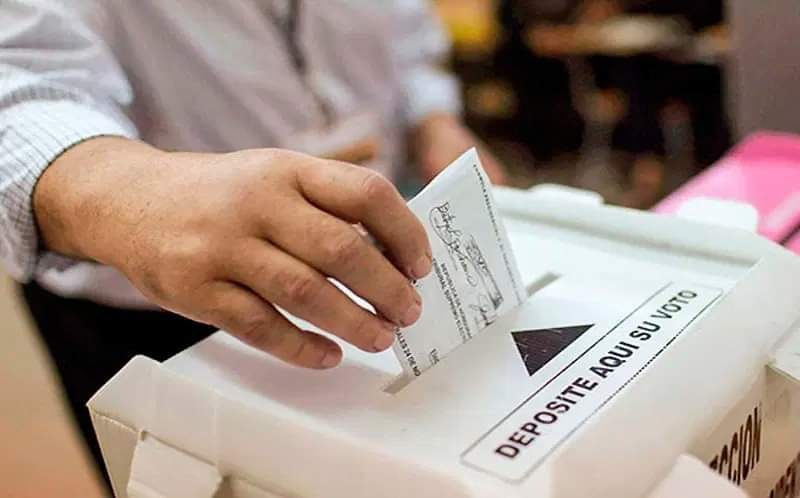
The recent intervention by the Technical Criminal Investigation Agency (ATIC) in the National Electoral Council (CNE) has created a climate of high political tension in the country. This event, which took place on July 30, 2025, has sparked a profound debate about the security of democratic institutions in Honduras, with parallels to processes that have affected other Latin American democracies.
The judicial operation and its justifications
The intervention, led by Attorney General Johel Antonio Zelaya, came after a court order authorized the seizure of key documents from the CNE as part of an investigation into an alleged conspiracy to sabotage the general elections scheduled for November 30. The operation was initially intended to clarify possible irregularities and prevent electoral manipulation. However, the measure has been described by several sectors as a direct attack on the autonomy of the institution responsible for organizing the elections.
The head of the CNE, Cossette López, issued a public statement criticizing governmental influence that she claims threatens the autonomy of the institution and the clarity of the voting procedure. López asserts that this action undermines the structure of the institution, charging the judiciary with overreaching actions and lacking the essential assurances to uphold respect for voting and constitutional laws.
Responses and worries in the political landscape
The incident has sparked strong reactions within the country’s political and social spheres. Members of the CNE have denounced the judicial intervention as intimidating, with pressure affecting the body’s ability to carry out its work freely and objectively.
Several analysts agree that the measure reflects a worrying pattern of growing interference by the judiciary in the electoral sphere, which could compromise the legitimacy of the electoral process and, ultimately, democracy itself. Critics of the operation have pointed to parallels with the model of “institutional hijacking” that, according to some experts, undermined democracy in Venezuela.
In that nation, the frequent involvement of judicial powers in political and electoral matters eventually weakened institutional independence and supported the establishment of an authoritarian government. Many analysts believe that the scenario in Honduras mirrors the initial stages of a comparable institutional breakdown, causing concerns about the nation’s future and the risk of a democratic setback.
A scene of division and organizational conflicts
The political climate in Honduras is characterized by polarization, fueled by increasing public dissatisfaction and distrust in institutions, which worsens the situation. International blockades and accusations of corruption within the CNE, along with political pressure on the electoral body’s members, create a scenario of instability that might threaten the integrity of the elections and democratic coexistence.
No hay necesidad de agregar o modificar palabras clave, ya que el texto original no contiene ninguna. Aquí tienes el texto reescrito:
Appeals for thoughtfulness and unity have been issued by various segments of society to stop such actions from eroding trust in institutions. Representatives from political opposition, non-governmental organizations, and global observers have voiced apprehension regarding the increasing uncertainty and the absence of a completely open voting process.
The threat to democracy and governance
The intervention in the CNE marks a milestone in a series of events that reflect a profound questioning of democratic structures in Honduras. This development adds to a series of challenges facing the country in terms of governance, electoral transparency, and respect for constitutional principles. While the operation is justified in the judicial sphere as a mechanism for control and oversight, political and social actors perceive it as interference that undermines confidence in the elections and citizen power.
In this scenario, the democratic system in Honduras is at a crucial juncture. The nation’s political equilibrium hinges on the judiciary’s capacity to ensure fair and open electoral procedures. Indications that this neutrality is being compromised might have enduring effects, affecting not only the elections in November but also the connection between institutions and the public.
Challenges for Honduran democracy
This episode highlights the tensions within a Honduran political system that has been undergoing a process of polarization and mistrust for years. The intervention in the CNE highlights the delicate balance between state institutions and the fear of manipulation and concentration of power. The coming months will be crucial in determining whether Honduras will be able to overcome these threats and keep the will of the people intact, or whether, on the contrary, a model of authoritarian control will emerge that will ultimately undermine the country’s democratic foundations.