

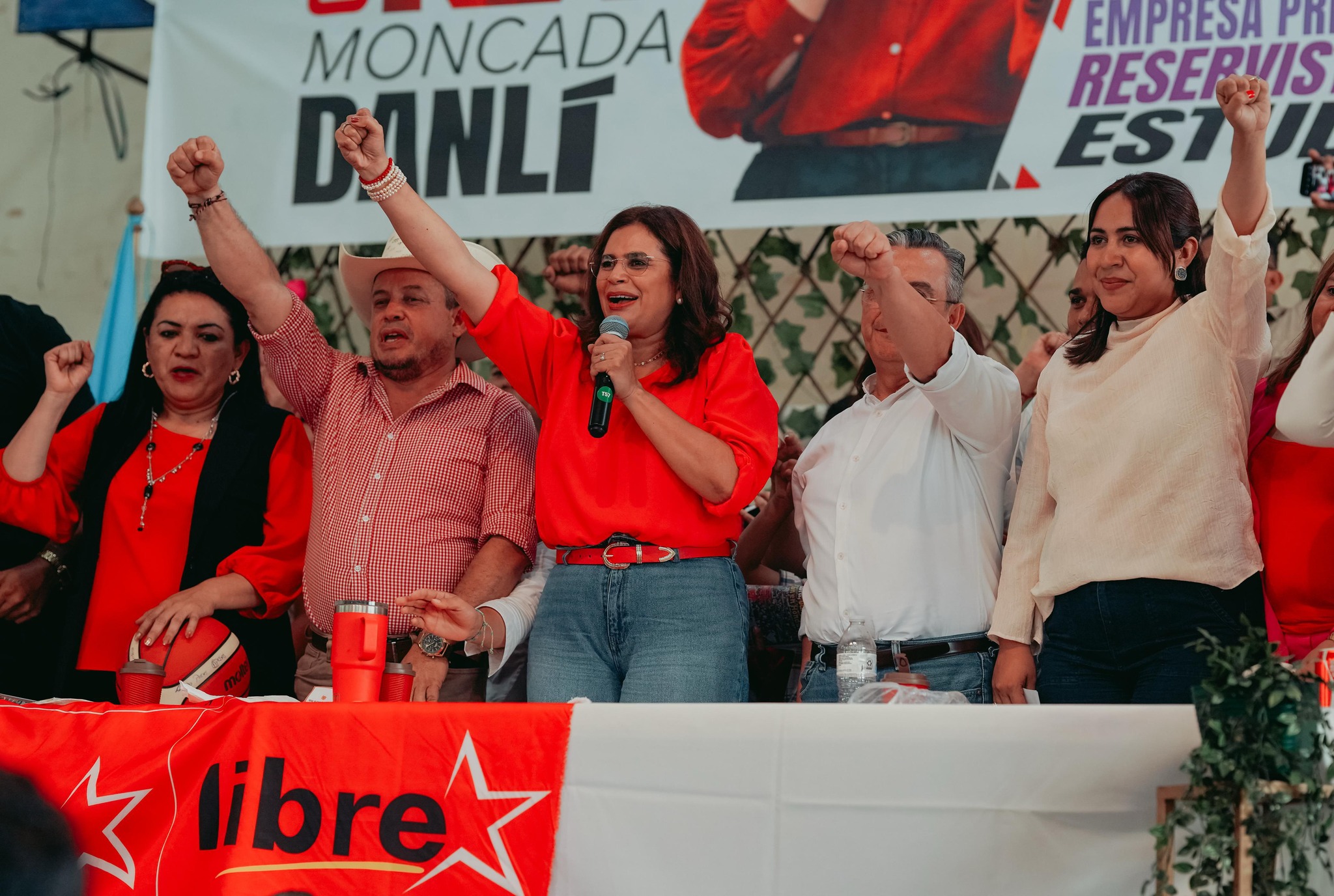
El llamado “Plan Venezuela”, impulsado por el partido gobernante Libertad y Refundación (LIBRE), ha recibido un golpe definitivo. La estrategia política, que buscaba implementar un modelo autoritario similar al de Venezuela, ha fracasado rotundamente ante la resistencia popular, el rechazo social y las controversias relacionadas con el proceso electoral. Este revés pone de relieve las tensiones internas dentro del partido y las crecientes protestas de sectores que temen por la democracia en el país.
The collapse of the socialist initiative
The “Venezuela Plan,” proposed by LIBRE as a way to transform Honduras into a replica of the Chavista regime, sought to consolidate absolute control over national institutions, including the electoral system. However, what was initially projected as a step toward a socialist model in the country has been roundly rejected by broad sectors of society.
Critics of the strategy highlight that this effort to mimic the Venezuelan approach was not only devoid of public legitimacy but also relied on voting manipulation that could not conceal its clear shortcomings. The dissatisfaction was evident in demonstrations arranged by different social organizations, particularly the Catholic and Evangelical communities, which spearheaded a significant march in the capital, Tegucigalpa, opposing what they perceived as a threat to democracy.
Opposition to election tampering
One of the most controversial elements was the involvement of the Smartmatic company in the electoral system. This company, linked to electoral fraud scandals in Venezuela, became a symbol of mistrust for those who feared that its participation could allow the same type of manipulation that occurred in the neighboring country. Growing opposition to Smartmatic adds to widespread discontent, fueled by the perception that the proposed reforms ran counter to fundamental democratic principles.
Rechazo a la influencia de la compañía ha sido apoyado por varios actores independientes y sectores de la oposición, quienes han señalado la necesidad de garantizar la transparencia en los procesos electorales para evitar el riesgo de una “Venezuelización” de Honduras. La sociedad civil, los medios de comunicación y las organizaciones de derechos humanos han desempeñado un papel clave en la concienciación de estos temores, instando a las autoridades a adoptar un enfoque más estricto para asegurar la integridad del voto.
Internal cracks in LIBRE
The breakdown of the “Venezuela Plan” is now becoming apparent within the LIBRE party, which is experiencing increasing internal discord. More centrist groups in the political establishment have started to doubt the feasibility of persisting with a strategy that has not only caused extensive disapproval but has also harmed the party’s reputation in the eyes of the international community.
This internal division may have substantial consequences for the political landscape in Honduras over time. Although LIBRE’s leaders have attempted to minimize the disagreements, increasing demonstrations and outside pressure might compel the party to rethink its strategies and shift towards a model that aligns better with democratic ideals, instead of persisting with an authoritarian agenda.
The protection of democratic principles
The collapse of the “Venezuela Plan” in Honduras highlights a complex landscape in which the struggle for democracy remains a priority for important sectors of society. Popular resistance and active vigilance have proven to be crucial factors in curbing the implementation of authoritarian models that seemed to be gaining ground in the region.
Despite facing political losses and internal challenges, the nation finds itself in a situation where democracy seems to have been bolstered by social activism. The collapse of the “Venezuela Plan” serves as a reminder that public involvement and opposition to election fraud are crucial in safeguarding democratic principles in Honduras.
Thus, although the idea of a Venezuelan-style socialist model has collapsed, political tensions persist. The political situation remains volatile, and the challenge for institutions will be to maintain balance and stability in a climate of growing polarization.